The North East’s Fastest 50 businesses set out devolution priorities
27th October, 2026
With the 2026 Budget expected to bring further detail on fiscal devolution, some of the North East’s fastest growing businesses are calling for greater local control to deliver real benefits for companies across the region.
Businesses featured in this year’s Ward Hadaway North East Fastest 50 point to faster decisions, stronger skills provision and better access to regional funding as areas that could support their next stage of expansion.
Alexander Rose, Partner and public funding specialist at Ward Hadaway, explains: “High growth businesses see two main advantages in further devolution. Firstly, they see an opportunity to have more say in decisions made locally, particularly where there are barriers to growth. Secondly, they’re interested in the funding opportunities available through the substantial funding packages given to mayoral authorities. If more decisions are being taken in the region, businesses will want to see that reflected in how quickly problems are dealt with and how money is directed.”
Gateshead-based GAP Group gives a good example of where delays can affect investment decisions. The recycling and materials recovery business has three major projects planned for 2027/28, but Group Chief Executive Peter Moody says the time taken to secure regulatory and planning approvals can influence where those projects eventually go: “We’re a Gateshead business through and through. What devolution can do is put decisions about skills, sites and investment closer to the people who understand the region’s industrial base.”
An Environment Agency permit variation allowing GAP to process plastics took 60 weeks, while planning permission for a Dutch barn on its existing site has taken 14 months and is still outstanding. Peter says regional investment can also influence both the pace and location of future projects. He adds: “Capital support to help businesses invest in new plant and equipment, bring forward industrial land and funding for training all make it easier to build that capacity here in the North East rather than somewhere else.”

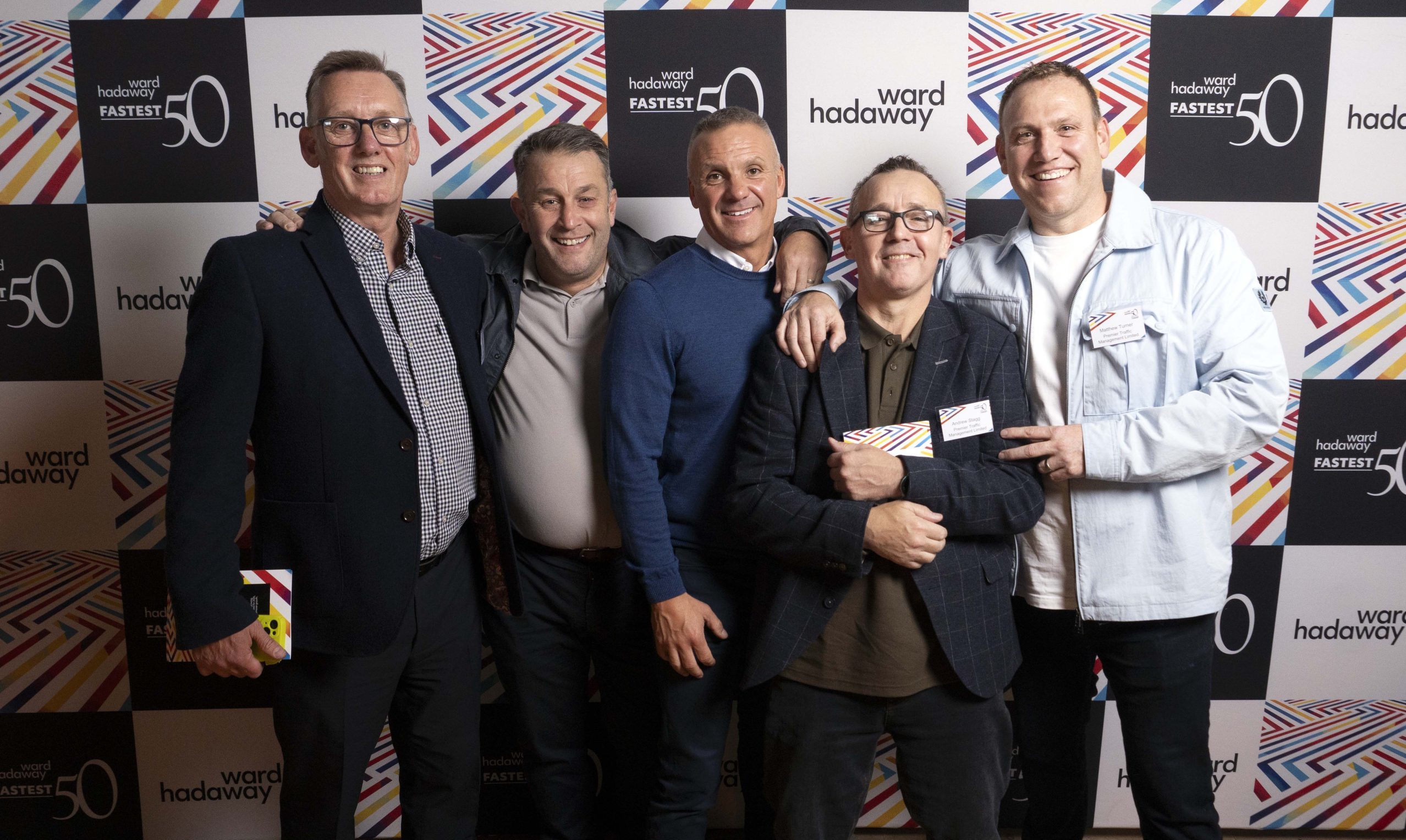
Premier Traffic Management is looking for more certainty over future infrastructure work. The Spennymoor business is already investing in its workforce, specialist vehicles and equipment, but Safety, Health, Environment and Quality (SHEQ) Director Andrew Stagg says a longer term understanding of regional programmes would allow it to make those commitments sooner and on a larger scale. He explains: “A clearer, longer term programme of regional infrastructure investment would give businesses greater confidence to recruit, train and invest ahead of demand rather than responding once projects have already been awarded.”
At another Spennymoor business, Finnmark, CEO Jake Newport points to the speed at which support can be accessed when opportunities arise. The sauna design and installation specialist has previously benefited from regional development funding, which can reduce some of the financial risk attached to expansion. He says: “Opportunities don’t always wait for lengthy application and approval processes, so ensuring funding can respond to the pace of business growth would make a real difference. Ultimately, I think there’s considerable value in having decisions made by people who understand the region, its businesses and where the opportunities lie.”
Skills are another issue for Newton Aycliffe-based The Media Den, winner of this year’s Fastest 50 small business category. The company is expanding its team and would prefer to recruit locally, but co-founder Craig Maddison notes that the mix of marketing, data and technology expertise it needs can be difficult to find. He explains: “We’d like to see more practical AI training shaped around what local employers need. That would help more people develop the skills businesses are looking for and give them more opportunities to build their careers here in the North East.”
This Is Me Agency wants local expertise to be better reflected in decisions taken in the region. The Consett business, which supports disabled and neurodivergent people through Access to Work, has grown from eight clients in 2019 to more than 360 today. Director Michelle Dobson believes specialist organisations should be involved as more employment support is decided locally. She says: “We know this region, its people and the barriers they face. As more employment support is determined locally, small specialist businesses like ours should have a seat at the table.”
Alexander Rose believes the opportunity lies in using devolution to tackle some of the issues businesses face when they’re trying to expand: “These companies are already investing, recruiting and planning for growth. What they want to know is whether more local control will make it easier to move a project forward at pace, find the skills they need and get access to the right support at the right time. If it does, that gives businesses another reason to make their next investment here in the North East.”
Please note that this briefing is designed to be informative, not advisory and represents our understanding of English law and practice as at the date indicated. We would always recommend that you should seek specific guidance on any particular legal issue.
This page may contain links that direct you to third party websites. We have no control over and are not responsible for the content, use by you or availability of those third party websites, for any products or services you buy through those sites or for the treatment of any personal information you provide to the third party.

Follow us on LinkedIn
Keep up to date with all the latest updates and insights from our expert team