Forecasting business trends with Joanna Feeley
26th March, 2026
Fastest 50 Podcast
26th March 2026
Forecasting business trends with Joanna Feeley
Find out more
19th March 2026
Building legacy and resilience with Andy Carr and Paul Callaghan
Find out more
12th March 2026
Scaling a tech consultancy with Tom Lawson
Find out more
5th March 2026
Using advisors to support growth with Raman Sehgal
Find out more
5th March 2026
Growth by design with Mark Thompson
Find out more
Welcome to the Ward Hadaway Fastest 50 Podcast, where we sit down with entrepreneurs and business leaders who are rewriting the rules of growth in the UK and beyond.
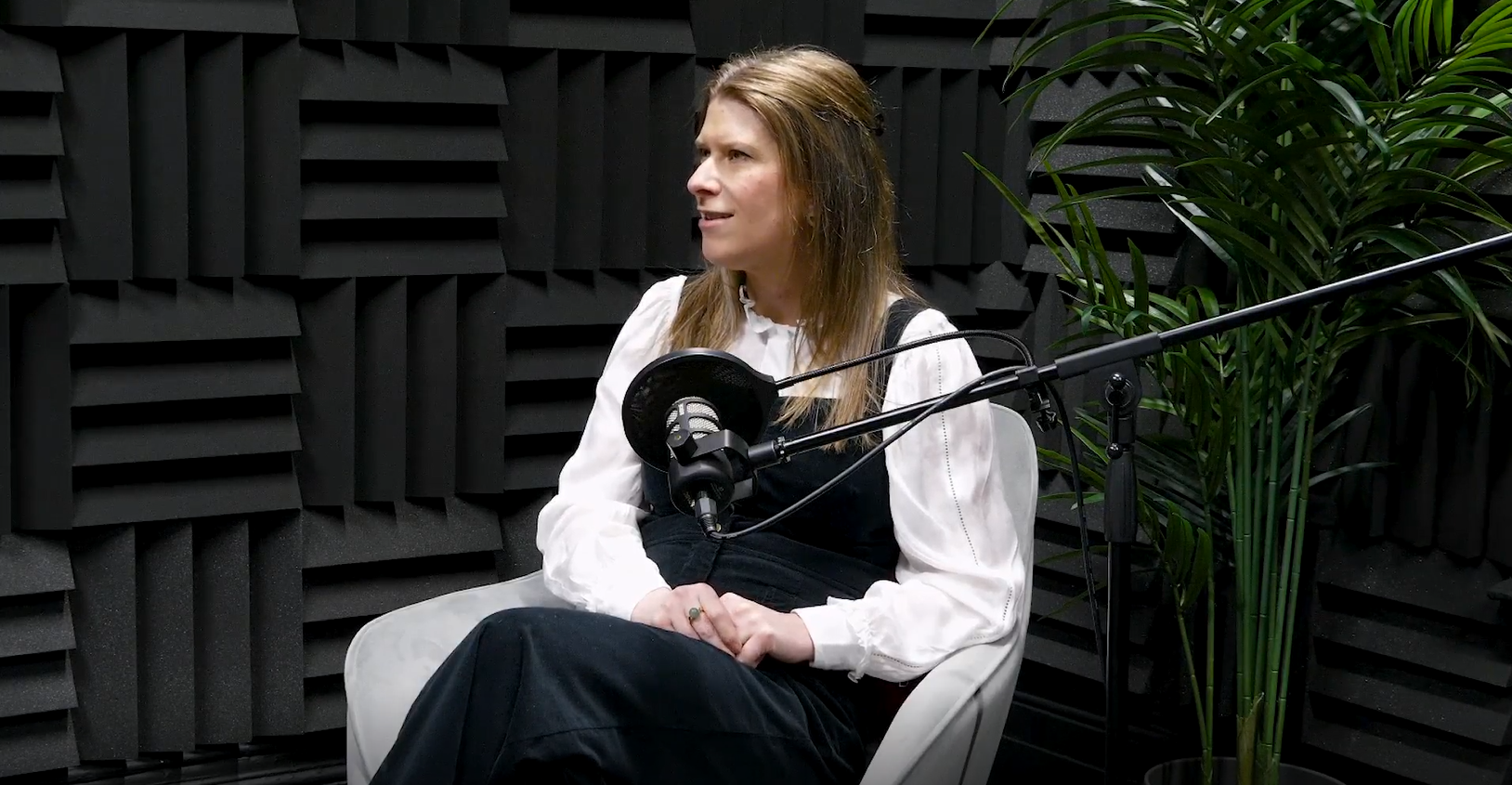
Host Alistair McDonald is joined by Joanna Feeley, CEO of TrendBible, to talk about leading through change. As the founder of a business that helps brands make sense of future consumer needs and behaviour, Joanna shares her take on growing a business with confidence.
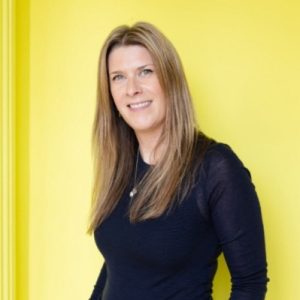
Joanna Feeley, CEO, TrendBible
You’ll hear practical insight on:
- Why looking ahead is a core part of effective leadership and how trend forecasting can help businesses plan for change
- Why human judgment, creativity and different perspectives still matter in an AI-enabled world
- What leaders can do to support decision-making in uncertain conditions
- Why founders need to commercial, financial and people leadership skills as well as technical expertise
- Why every business leader now needs the ability to think ahead and interpret change with confidence
https://www.youtube.com/watch?v=Jhs94Olmr8s
Listen on Apple Podcasts or Spotify


You can find out more about Ward Hadaway Fastest 50 here. For the Fastest 50 podcast and access to all episodes, click here.
Alistair McDonald 0:08
Hello and welcome to the Fastest 50 podcast.
Alistair McDonald 0:11
I’m Alastair McDonald, Business Development Director at Ward Hadaway.
Alistair McDonald 0:14
And I’m very pleased to say that my guest today is Joanna Feeley.
Alistair McDonald 0:19
Joanna is the founder and chief exec of TrendBible, a powerhouse in the trend future forecasting and now a published author.
Alistair McDonald 0:27
With her brilliant book Trend Leader, Joanna has won multiple awards, including Entrepreneur of the Year at the Entrepreneurs Forum Awards, Creative Entrepreneur of the Year in the Great in the Great British Entrepreneur Awards, and Joanna has also been the keynote speaker at our own Fastest 50.
Alistair McDonald 0:45
Joanna, thank you very much for joining us today.
Joanna Feeley 0:47
It’s my pleasure.
Alistair McDonald 0:48
It’s great to have you here.
Alistair McDonald 0:49
Really appreciate you doing that.
Alistair McDonald 0:51
So if you don’t mind, I’d like to start with what trend forecasting actually is and why you decided to pursue that as a career.
Joanna Feeley 1:01
Yeah, I mean, it’s a bit of a mysterious behind the scenes industry really.
Joanna Feeley 1:06
So trend forecasting really is just a method by which you can create a map for the future.
Joanna Feeley 1:11
So businesses always want to have a strategy and a plan for the future.
Joanna Feeley 1:16
And trend forecasting allows you to explore what a possible future might look like and what probable future might look like and what kind of forces might shape the way that consumers and businesses are driven.
Joanna Feeley 1:30
So good trend forecasting should also allow you to see what a preferable future or desirable future for you looks like.
Joanna Feeley 1:37
And a good map of the future has both those elements, what’s probable, what’s possible and what’s preferable.
Joanna Feeley 1:44
And that means what’s preferable for the company, but also what’s preferable for their future consumer.
Joanna Feeley 1:49
And that means that we might be putting this map of the future together for companies 2:00 to 5:00 to even 10 years ahead of time.
Joanna Feeley 1:57
So they’re planning ahead as part of a strategic skill set really.
Joanna Feeley 2:01
And in terms of how I got into it, I didn’t know it existed as a career option or even an industry until I was at university in my second year when I studied fashion design at Kingston University.
Joanna Feeley 2:14
And they had a module where they introduced us to forecasting for for fashion.
Joanna Feeley 2:19
And it was just, it really was the perfect alignment really of my skills.
Joanna Feeley 2:24
It was, it’s sort of part science.
Joanna Feeley 2:27
So you collect data, you need to collect information about who your future consumer will be and how they’re going to live and what will influence them.
Joanna Feeley 2:34
But it’s also a creative act as well.
Joanna Feeley 2:36
You have to use your imagination.
Joanna Feeley 2:37
You have to be able to imagine a better future or a different feature in order that you can activate it.
Joanna Feeley 2:42
So that was the point when I realised this is this is the industry for me.
Joanna Feeley 2:47
It wasn’t necessarily fashion design, but it was very specifically this piece about trend forecasting.
Alistair McDonald 2:52
And you know, we were just chatting earlier about sort of the emergence of, of things like AI, which is like a it’s a topic for everybody is and you know, I was interested.
Alistair McDonald 3:01
You said that’s something that’s been around in, in sort of forecasting and, and things like feels like the fashion industry, something that’s an early adopter of, of new tech.
Joanna Feeley 3:10
Yeah, I think so.
Joanna Feeley 3:10
There were a few industries that always love to have their eye on the future.
Joanna Feeley 3:14
And historically those have been things like the oil industry, the fashion industry, the automotive industry.
Joanna Feeley 3:20
And typically if you’ve got a product or you supply something that has that sort of long chain effect, then you are working years in the future.
Joanna Feeley 3:29
And so those industries tend to use forecasting more because they’re trying to sort of anticipate the supply and demand.
Joanna Feeley 3:36
And fashion is, is one of those industries.
Joanna Feeley 3:38
Actually, the fashion industry’s probably changed a lot over the past 20 years since I’ve been running my business.
Joanna Feeley 3:43
You know, we’re able now to manufacture goods in days and weeks and supply very, very quickly.
Joanna Feeley 3:49
And that’s been aided by things like Amazon where it’s able to actually supply and deliver in a very short time frame.
Joanna Feeley 3:56
So it has evolved and changed very, very quickly, not all for a good reason, but it has changed.
Alistair McDonald 4:03
And just something else that struck us when you were talking there about the sort of mapping out the different, like the different futures, does that feel like you can sort of influence things a bit?
Joanna Feeley 4:12
Yes, and you should and you should, I think.
Joanna Feeley 4:15
I think, you know, if there’s one thing we’re sure of is that like the world needs better ideas at the minute.
Joanna Feeley 4:20
And think part of that is being able to map a route to a preferable future.
Joanna Feeley 4:25
And if you ask a lot of people what they think the future looks like, they’ll say, if I read the newspapers, it’s all doom and gloom and we’re headed in One Direction towards a singular future, especially around something like the environmental issues that we face.
Joanna Feeley 4:39
But actually there are whole hosts of people working on more positive and environmental future would look like.
Joanna Feeley 4:47
And so yeah, part of the active forecasting isn’t just to take data because data was backwards looking.
Joanna Feeley 4:53
And for all AI can be brilliant.
Joanna Feeley 4:56
AI is basically still using data to extrapolate.
Joanna Feeley 5:00
And it can, it can kind of breadcrumb a little bit of what the future might look like.
Joanna Feeley 5:03
It’s fairly effective at being giving you a probable future for maybe 3-6 months’ time.
Joanna Feeley 5:09
But actually, if you want to forecast 5-10 years’ time and you want to do that in a way that aligns specifically with your industry, your company, your audience, then you need to have a human brain involved in.
Joanna Feeley 5:22
You need to be able to do the thinking around that.
Joanna Feeley 5:24
And not just one human brain either.
Joanna Feeley 5:25
You need to have a diverse set of perspectives to be able to map that out.
Alistair McDonald 5:31
I think it’s really healthy to hear that because we were talking about kids and what do you advise them to do in terms of their future because their eyes change and things so quickly.
Alistair McDonald 5:38
But even something like trend forecast and look in the future, like, yes, AI’s got a part of it, but you need humans and you need that human insight.
Alistair McDonald 5:47
And as you see a diversity of different kinds of insights to give you that picture of where things could go.
Joanna Feeley 5:52
I think it’s the most important thing to remember when we feel like we’re being driven by these tech engines, I think is to remember that we do have autonomy.
Joanna Feeley 6:00
And I think autonomy is the probably the single most important thing that we have to remember to hang onto.
Joanna Feeley 6:05
I know there’s a lot of chat at the minute about what skills do we need in a world where AI can do some of those basic repeatable tasks that maybe humans did before.
Joanna Feeley 6:15
But we we do have autonomy.
Joanna Feeley 6:16
And I mean that as a business leader, I mean that as you know, as governments, we have choices that we can make.
Joanna Feeley 6:23
And for every choice we make, there will be a consequence and an outcome.
Joanna Feeley 6:26
You mentioned the fact that it was like when you’re at university and that’s obviously quite early days and your businesses in the North East.
Alistair McDonald 6:32
So what is it that you enjoy about operating a business in the North East and what advantages does that give you?
Joanna Feeley 6:40
I always knew I wanted to move back to the North East.
Joanna Feeley 6:43
So my first job was in New York and then I came back to London and just had this like the pull of home.
Joanna Feeley 6:50
I suppose for me, the North East is home.
Joanna Feeley 6:53
I was brought up in Northumberland and I never actually got the chance to live in Newcastle, even though it was sort of the closest city when I was growing up.
Joanna Feeley 7:01
And it was always, I was sort of romanticised that as like the the big city for me.
Joanna Feeley 7:05
So I wonder whether it was a little bit of that, that I always wanted to live back in Newcastle.
Joanna Feeley 7:08
And I have been back here now for 20 years.
Joanna Feeley 7:10
But the best thing about growing a business here, because a lot of my friends when I left London said they thought it was actually a really bad idea, especially working in the world of trends where typically those, my competitors were all based in the sort of fashion capitals of New York and Amsterdam and Paris and London.
Joanna Feeley 7:28
And lots of people said it probably wasn’t a good idea to try and relocate to Newcastle.
Joanna Feeley 7:32
So it wasn’t a convenience factor at the start.
Joanna Feeley 7:35
So there was definitely the pull of.
Joanna Feeley 7:37
But the thing I’ve loved most about it is the sense of community.
Joanna Feeley 7:40
I’m plugged into all sorts of different North East communities and plugged into the creative North East community and broadly the business community.
Joanna Feeley 7:48
There were lots of little sort of pockets of people.
Joanna Feeley 7:50
You know, if you have a problem or question, there is usually somebody you can phone up and say can you help me with this or do you know somebody who can?
Joanna Feeley 7:57
It’s very friendly, be very open.
Joanna Feeley 7:59
I’ve had so much free mentoring over the years.
Joanna Feeley 8:03
I can’t even tell you, just so many people willing to go for a coffee or just help you solve a problem.
Joanna Feeley 8:09
Like it’s unbelievable the lengths that people will go to.
Joanna Feeley 8:12
And I obviously do that for the people as well.
Joanna Feeley 8:14
It’s super friendly business community, I think, and that isn’t the case everywhere, I think.
Alistair McDonald 8:19
And one of the other guests that we’ve had on on the podcast, Roman, he’s, you know, operating internationally and I was asking about him that and, and he referred to kind of what you describe there as the Geordie superpower, just like people are willing to talk to each other and they’re willing to take that phone call and give their time up.
Alistair McDonald 8:34
So, so that’s interesting.
Alistair McDonald 8:37
One of the other things that I wanted to ask in terms of you running your business, like we’ve referred to the fact that you know, your, your trend forecasting and your future forecasting and you’re looking at all these different permutations about what might happen.
Alistair McDonald 8:51
There’s a lot of uncertainty there.
Alistair McDonald 8:53
You know, running a business, you want some degree of certainty.
Alistair McDonald 8:56
So how do you deal with that sort of constant strategy, constant forward-looking with the sort of uncertainty in your own business?
Alistair McDonald 9:03
And I guess my team’s grown as our business has grown historically.
Alistair McDonald 9:08
I used to do lots of work with like our partners and our sort of, and it was all about strategy and for and like, I think like that a lot of the time.
Alistair McDonald 9:16
But because I’ve got a team now, there’s like day-to-day things that happen and God, there’s too much work.
Alistair McDonald 9:21
Then what do I do about that?
Alistair McDonald 9:22
So I’m just interested how you deal with that.
Joanna Feeley 9:24
Yeah.
Joanna Feeley 9:24
I mean, my entire job is about uncertainty because the future isn’t, you know, I don’t have a special, I don’t have a crystal ball.
Joanna Feeley 9:30
I don’t have any special powers that like enable me to see the future.
Joanna Feeley 9:36
So in that respect, I’ve had a long time to get really comfortable with uncertainty.
Joanna Feeley 9:42
It’s kind of an ingredient of my day-to-day world.
Joanna Feeley 9:45
Really.
Joanna Feeley 9:45
I’m, I’m trying to reduce uncertainty for large corporate businesses all over the world as my day job.
Joanna Feeley 9:52
And then in my job as a managing director, I have to reduce the uncertainty for my business as well.
Joanna Feeley 9:59
And, you know, things like the pandemic, I think really put me through my paces in terms of my appetite for uncertainty.
Joanna Feeley 10:06
I thought I kind of enjoyed it and enjoyed and understood it as an ingredient of, of understanding, working with the future.
Joanna Feeley 10:13
And then when it actually upended, and you know, we would call that a sort of Black Swan event where it’s, it’s a an unpredictable event that has consequences that are global and the infiltrate everything and they are really rare.
Joanna Feeley 10:28
And at the time, I remember thinking, oh, this is going to be really interesting to live through it.
Joanna Feeley 10:32
And because you can theorise and read about Black Swan events, but actually to live through one, I knew that we were going to get that experience of how do you how do you now put a forecast out into the world?
Joanna Feeley 10:43
Or how do you now put a forecast together for a large corporate global DIY company?
Joanna Feeley 10:49
You know what, what’s actually going to change and what’s going to happen and what will stay the same?
Joanna Feeley 10:53
I suppose I’ve had a mixed relationship with uncertainty all the while.
Joanna Feeley 10:57
But I think I’ve learned that that that element we spoke about before, that autonomy, the fact that we we have to accept that we do have choices.
Joanna Feeley 11:05
There are forces that drive us for sure that definitely are those are social, they’re cultural.
Joanna Feeley 11:10
There are barriers, there are boundaries.
Joanna Feeley 11:12
We can’t ignore that.
Joanna Feeley 11:13
But where we say to ourselves, I do have autonomy, where is that autonomy?
Joanna Feeley 11:18
What is the preferred future and how might I get there?
Joanna Feeley 11:20
That’s a really good thing to kind of hold yourself to account, I suppose in those store, in the storms, when they do come, you have to be able to grab hold of something and focus on that.
Joanna Feeley 11:30
And I think being able to think what would a preferred future look like to me is a really good, good way to start with that.
Alistair McDonald 11:37
One of the things that I think is quite interesting about and forecasting and looking forward, and you mentioned that your work with big corporate organisations.
Alistair McDonald 11:46
Has there ever been an occasion where you’ve predicted something that would happen, it consequently didn’t happen and like, what’s the impact then?
Alistair McDonald 11:53
Like what, what happens in that circumstance?
Joanna Feeley 11:56
That’s always the, the big fear is that, you know, you, you can create a sort of map for a company and that there is that sort of Black Swan event that just turns everything on its head.
Joanna Feeley 12:06
And actually that’s where the pandemic was very useful because we could look at the forecast we pulled together in 2018 for 2020 and say, well, how does this huge Black Swan event impact that?
Joanna Feeley 12:18
And actually those forecasts stood up really well.
Joanna Feeley 12:20
We offered to go back to every single client that had taken a forecast from us in 2018 and 2019 and examine it and re forecast it if necessary.
Joanna Feeley 12:29
We had to let sort of 6-8 months pass to sort of let things settle a little bit.
Joanna Feeley 12:33
But we actually didn’t correct those forecasts.
Joanna Feeley 12:35
There was already pre pandemic a big drive towards people centering their life at home.
Joanna Feeley 12:40
And so we’ve done this entire piece around people being more connected to home.
Joanna Feeley 12:45
It was already, there were loads, there was loads of data that suggested people wanted to work from home, they just didn’t have the means.
Joanna Feeley 12:50
Well, all of a sudden they got the means and businesses said, we suddenly trust you to have office equipment from the office at home, spend your time there and and manage your time accordingly.
Joanna Feeley 13:00
So life caught up with people’s desires and intentions.
Joanna Feeley 13:04
That was reassuring.
Joanna Feeley 13:05
But I, I do remember getting it wrong in the early days.
Joanna Feeley 13:09
And there was a, a really specific cultural moment that I was trying to capture in about, I think it’s about 2011 and we were forecasting A trend for the sort of decor, the home interiors decor market.
Joanna Feeley 13:23
And there was a film that was due out, which was The Great Gatsby with Leonardo DiCaprio in it.
Joanna Feeley 13:28
I’m sure it was 2011.
Joanna Feeley 13:29
It’s like imprinted on my brain.
Joanna Feeley 13:31
And that film had been slated for release for two or three years.
Joanna Feeley 13:35
And quite often you can find out what books are going to be published, what movies are being filmed and will come out.
Joanna Feeley 13:41
And they’re really nice ways to kind of Braille culture to see if there are any connections there between the types of books and films and and TV shows.
Joanna Feeley 13:49
It tells you a little bit about what’s going to influence consumer culture.
Joanna Feeley 13:52
And The Great Gatsby is obviously very highly stylized, sort of 1920s.
Joanna Feeley 13:56
It’s got a really particular feel to it and something went wrong in the the casting of that.
Joanna Feeley 14:03
I think there was an issue with one of the actors had to reshoot lot of scenes and so we’d forecast that there would be this sort of Great Gatsby esque design influence that would happen in 2011 and the film ended up being delayed by I think 2 years, something like that.
Joanna Feeley 14:18
So the important thing to remember there is if we forecast trends from only one data point, that is very high risk.
Joanna Feeley 14:26
And lo and behold, I don’t do that anymore.
Joanna Feeley 14:28
We don’t forecast from one data point anymore, but also what it reminds us of is that if we don’t have those cultural points around us, then we’re not really drawn to trends.
Joanna Feeley 14:39
So the consumers that were walking into Tesco and ASDA and Matalan weren’t walking in there primed with this idea that they were looking for a particular aesthetic because the film hadn’t come out.
Joanna Feeley 14:51
And so if you throw a trend out, it won’t just attract people.
Joanna Feeley 14:56
It’s about the entire ecosystem that makes a trend come to life.
Joanna Feeley 15:00
There has to be social cultural indicators that draw people towards something.
Joanna Feeley 15:06
That is always the case.
Joanna Feeley 15:08
You cannot simply have a trend like I don’t know if you’ve seen the little the Labubu dolls that have been so massive in fashion.
Joanna Feeley 15:15
Those events don’t just happen because a company decides to produce a product.
Joanna Feeley 15:20
There has to be an ecosystem around that, around nostalgia and comfort.
Joanna Feeley 15:24
There has to be a shift somewhere that’s broader than just the consumption of the product to make something really happened.
Joanna Feeley 15:31
So that was a yeah.
Joanna Feeley 15:32
It was a really early lesson for me in the fact that you always have kind of roots to a trend.
Joanna Feeley 15:37
You always have at least three, three points to a trend, not just one film.
Alistair McDonald 15:42
Growing any sort of business doesn’t come without its its challenges.
Alistair McDonald 15:47
What do you think’s been the hardest part for you in terms of growing TrendBible?
Joanna Feeley 15:51
So many things really.
Joanna Feeley 15:52
But I think reflecting on sort of like a 27 year career, I think I can now see that when you have like a technical skill set or in my experience a creative skill set, you set out with, you know, confidence in your expertise.
Joanna Feeley 16:13
And you know, I just didn’t have the other half of it.
Joanna Feeley 16:17
And it is half of it at least, which is the business expertise.
Joanna Feeley 16:21
So I could forecast trends, I could do that really comfortably, really well.
Joanna Feeley 16:25
And I’ve got better at that.
Joanna Feeley 16:26
As times gone on, I’ve continued to develop those skills, but that comes really naturally and easily to me.
Joanna Feeley 16:32
And the other side of the business, whether that is the finances, whether that is sales, whether that is marketing, the entire commercial has been a massive learning curve.
Joanna Feeley 6:42
And I really think I’ve only cracked that in last two or three years.
Alistair McDonald 16:44
Really
Joanna Feeley 16:45
Yeah, I think, and I think we’ll only see the growth implications of me learning that starting just to see it now and in the next couple of years.
Joanna Feeley 16:53
So I think that’s the tricky bit.
Joanna Feeley 16:55
Is that how quickly do you step out of your technical skill set, your expertise and start to explore the other sides of the business?
Joanna Feeley 17:02
And you can do it different ways.
Joanna Feeley 17:04
You know, I always hired other people to be the commercial thinkers in my business so that I could stick to the piece that was my skill set and that can get you so far, I think.
Joanna Feeley 17:15
But my belief now certainly from my experiences that you have, you have to go and plug that knowledge in.
Joanna Feeley 17:21
So I did a couple of years ago the Goldman Sachs 10,000 Small Businesses programme.
Joanna Feeley 17:27
I’ve been a member of the Entrepreneurs Forum, I’ve done their Scale-up Academy.
Joanna Feeley 17:31
I’ve done everything that I can to improve my commercial skills, whether that is marketing, sales or finances to to round out my skill set.
Joanna Feeley 17:42
Because when you decide to be the MD or the chief exec, you cannot just do it with your kind of singular expertise.
Joanna Feeley 17:51
And it took me a really long time to figure out even the people side of it.
Joanna Feeley 17:55
I think, you know, the people side of it is something that I thought, well, I don’t really want to do that.
Joanna Feeley 17:59
I’m going to go and hire a people and culture manager.
Joanna Feeley 18:00
So for a long time we had a people and culture manager, even as a 12 person business, which is really unusual to have that full time inside a business.
Joanna Feeley 18:08
That was just me avoiding responsibilities and avoiding the opportunity to upscale so that I could manage people effectively myself.
Joanna Feeley 18:16
And it’s only again recently that I’ve felt confident that I’ve got enough, I’ve learned enough to do that.
Joanna Feeley 18:22
Well, in a way, what I’ve done is I’ve invested in other people’s expertise where I lacked it myself.
Joanna Feeley 18:26
That’s absolutely fine, you have to do that.
Joanna Feeley 18:29
But I think as I get more confident, I’m realising there were things there that I’ve learned how to do those things now, but it’s taken me a really long time.
Alistair McDonald 18:36
It’s working on the bits that you know, you’re not good at and you feel exposed when you do that
Joanna Feeley 18:40
And you don’t necessarily enjoy those but I’ve had to learn to love them as part of the success of the business.
Joanna Feeley 18:47
You know, I can’t make the business successful if I haven’t got engaged, happy, rewarded team members or if I haven’t figured out what the levers to pull in a financial crisis are.
Joanna Feeley 18:57
When that hits a business, you need to know where will we do best, what will work?
Joanna Feeley 19:02
And I’ve, I’ve learned all of it.
Joanna Feeley 19:03
I would love to have learned those things sooner, but I’ve, you know, I am really impatient with myself with those things as well.
Joanna Feeley 19:08
I think we should known that five years ago or 10 years ago, it would have been really different growth trajectory.
Joanna Feeley 19:14
And for me, I feel like it’s been slow, but a lot of people tell me that that’s not necessarily the truth.
Joanna Feeley 19:20
It’s just I think it’s founders as often you can you really push yourself to see the results as quickly as possible.
Alistair McDonald 19:26
That probably leads us on to another question.
Alistair McDonald 19:28
Like again, it’s reflect on my own experience of this recently.
Alistair McDonald 19:32
So like, given that you’ve led the business and known how to be successful by doing the doing, and then you’ve opened that up and you’ve brought people in with different skill sets and things.
Alistair McDonald 19:47
Those people with different skill sets like aren’t going to be motivated by the same things that you are.
Alistair McDonald 19:52
So as a leader, how do you motivate those people that like, I don’t think the same way as you?
Joanna Feeley 19:58
I hire people who are excellent at what they do and who are enthusiastic about what they do when they want to learn how to be excellent at it, if they’re not already, usually they are excellent and they want to be even better.
Joanna Feeley 20:09
And I think you know, if, if you, in my opinion, especially you know, trend forecasting isn’t a fantastic and rare career.
Joanna Feeley 20:18
So if you were to go into it and you were unmotivated, there’s something really wrong there.
Joanna Feeley 20:23
So, and that’s the truth with whether you’re a marketing person, whether you’re a commercial director, it doesn’t matter what the role is the, the motivation element.
Joanna Feeley 20:32
If you are pulling somebody through treacle to get them where you want them to be, something’s not right.
Joanna Feeley 20:37
So I think I, I can recognise that and I’m very lucky that I’ve always run a business full of people who love their jobs, they love the industry.
Joanna Feeley 20:45
But in terms of people seeing things the same as me, the important bit for me is that I have a vision for where the business is headed and that I have a three-year plan and a one year plan.
Joanna Feeley 20:55
And that everybody vaguely understands the three-year plan, but they deeply understand the one year plan.
Joanna Feeley 21:00
And so we we spend a lot of time on understanding the vision for the year ahead and the plan for the year ahead.
Joanna Feeley 21:07
And again, allowing the team autonomy for their contribution towards that.
Joanna Feeley 21:11
What will, what will they do? In in 12 months’ time how will they look back at their contribution and understand what contribution they made towards the goals of the business.
Joanna Feeley 21:20
So that that’s the only bit that really matters to me is being able to clearly communicate my vision and to have people understand their role in helping us achieve that.
Joanna Feeley 21:29
I think that’s the most important bit.
Alistair McDonald 21:31
So you know, we’ve talked about going through a pandemic and Black Swan moments and all that kind of stuff.
Alistair McDonald 21:36
Like I think anybody leading a business is going to go through challenging times.
Alistair McDonald 21:41
Like do you have like a certain set of values that guides you through those sort of tough decisions and tough periods?
Joanna Feeley 21:47
There’s no doubt about it.
Joanna Feeley 21:49
The pandemic really, it was like panic stations for me.
Joanna Feeley 21:53
We, we’d just acquired a really big, our biggest ever client in China in the pandemic.
Joanna Feeley 22:01
February of 2020, we celebrated hitting a million pounds in turnover for the first time.
Joanna Feeley 22:05
And we’ve got pictures of us with that confetti cannons with everything’s great.
Alistair McDonald 22:09
February 2020!
Joanna Feeley 22:09
Yea. February 2020 and of course by March, everybody was working from home.
Joanna Feeley 22:14
We were trying to figure out how to function and we lost a lot of business and we lost that that Chinese client.
Joanna Feeley 22:21
Absolutely was panic stations.
Joanna Feeley 22:23
And I think it was really difficult for me to have seen in the moment what values were able to drive me forward to help me through that time.
Joanna Feeley 22:31
I’ve always had like a deep faith in the business.
Joanna Feeley 22:33
I’ve always known that it’s going somewhere really exciting and that that never left me actually, even when things were difficult and we had clients that were saying, oh, we, we just can’t commit the budget to this at the minute.
Joanna Feeley 22:44
And we actually don’t want to know anything about the future consumer.
Joanna Feeley 22:47
We’re obsessed with the current consumer in the here and now.
Joanna Feeley 22:50
We don’t want to look forwards.
Joanna Feeley 22:51
And now obviously I have the the hindsight to know that that only lasts a little while because the future consumers or the current consumer starts to change their behaviours and businesses quite quickly want to keep up with that.
Joanna Feeley 23:03
So I’ve always had a lot of faith that the business is exciting, that it’s that it’s really excellent knowledge for businesses to have.
Joanna Feeley 23:11
And that’s reflected in the fact that we’ve got, you know, all of these sort of billion dollar brands as, as clients and we’re just still quite a small agency.
Joanna Feeley 23:18
It’s just having faith.
Joanna Feeley 23:19
I think that’s the main thing is just having that, that faith.
Joanna Feeley 23:22
And it’s not to say it doesn’t waiver.
Joanna Feeley 23:24
2 years ago transitioned fully into a subscription business.
Joanna Feeley 23:28
So we’re a fully sort of platform led subscription business now and that was really brutal.
Joanna Feeley 23:34
You know, we had to make redundancies, but to tighten up the team to be able to do that.
Joanna Feeley 23:38
And it moved us away from working with customers that only wanted to buy maybe one report from us once a year.
Joanna Feeley 23:43
You know, it took guts to make that decision and there were consequences.
Joanna Feeley 23:47
But actually now on the the far end of that, you know, we’ve had something like an 80% increase in year on year in repeatable customers.
Joanna Feeley 23:56
It’s, it’s incredible the growth we’ve had as a result of that decision.
Joanna Feeley 24:00
You know, I do trust my gut instinct, but I will go and sound that out.
Joanna Feeley 24:03
I will go and speak to people and check that I’m making the right decision, but I’m not sure I would have had the guts to make sort of choices like that had I not been through the pandemic.
Joanna Feeley 24:12
That really taught me what happens when you don’t have choices and circumstances are thrown your way and you have to lean on your own expertise, your own ability.
Joanna Feeley 24:22
You have to have faith in the team that are around you.
Joanna Feeley 24:24
And I think if there’s one thing I learned, it was that the team that kind of are there in the greatest success moments and are responsible for the success are also the ones that get you out of it when things are bad.
Alistair McDonald 24:36
Fascinating what you say about the subscription thing. Reason I’m so interested in that is that I think for the legal sector there’s a move towards more commoditized subscription based models.
Alistair McDonald 24:47
There are some sort of legal start up some things that are offering that just as that’s just the way they do it.
Alistair McDonald 24:53
They don’t do the hourly rate thing.
Alistair McDonald 24:56
And for a number of years we’ve had a product called HR Protect, which is a subscription model and it’s dependent on how many employees people have.
Alistair McDonald 25:04
And our commercial department recently have have come up with a fractional GC offering recently, which has taken off very successfully in a in a short space of time.
Alistair McDonald 25:17
So I’m looking now at other areas of our business that we can commoditize things and put them in the boxes.
Alistair McDonald 25:22
So I’m just fascinated the the 80% figures just crazy.
Joanna Feeley 25:26
And as I said before, like these things don’t happen in a silo.
Joanna Feeley 25:29
They happen because the culture around us changes.
Joanna Feeley 25:33
And there are a couple of things that happened there is that we’re used to subscribing to things like Netflix, for example.
Joanna Feeley 25:39
So we have this mindset of, you know, we, we don’t just buy a film and pay £10 for it.
Joanna Feeley 25:45
We now subscribe to content.
Joanna Feeley 25:48
But also the other sort of changes that happened around that is trend forecasting will be like HR will be like advice in that if I put one report into a business once a year, we know that change is happening.
Joanna Feeley 26:00
You know, as soon as that report is published, change has happened.
Joanna Feeley 26:03
And so the reason a subscription is so interesting in the modern world is that people want to be plugged in and feel safe and secure by having access to constant support and reassurance from experts, not just this kind of one off deep dive of information that has to last them until the next interaction.
Joanna Feeley 26:24
So yes, subscriptions are a sensible business model.
Joanna Feeley 26:27
They give you repeatable income.
Joanna Feeley 26:29
But actually for me, it came from a place of saying I can’t live with myself if I just put one or two forecasts into a business once or twice a year because I know change is happening more regularly than that.
Joanna Feeley 26:39
So how do I enable my customers to feel like they are updated every time there is something that changes and shifts?
Joanna Feeley 26:47
And it’s much better to have them in a position where they can look at 200 reports a year and dip into the things that really matter to them than just give them one report and say good luck, see you in a year’s time.
Joanna Feeley 26:58
It’s just seems like a really old fashioned way to to operate in a world that is, as we know at the minute, the sort of geopolitical situation, economic situation is so changeable.
Alistair McDonald 27:07
I think we need to have a conversation because the, the subscription stuff’s really interesting.
Alistair McDonald 27:11
And, and from, from my point of view in terms of the legal sector, like the best value that I think clients get from us is where they have that really deep relationship with, with the, with the lawyer that’s looking after them.
Alistair McDonald 27:26
And I think, you know, there’s certain kinds of legal work that is just more transactional.
Alistair McDonald 27:30
But I think that the deeper that relationship is the the just the better advice you get.
Alistair McDonald 27:34
And it’s that I think it’s the peace of mind.
Alistair McDonald 27:37
You know, it’s for us in terms of our BD and marketing function at Ward Hadaway a lot of the time.
Alistair McDonald 27:43
Like it’s when people are panicked that they get in touch.
Joanna Feeley 27:47
Yeah.
Joanna Feeley 27:48
And like it’s a reassurance factor, isn’t it?
Joanna Feeley 27:50
And knowing that somebody is an expert.
Joanna Feeley 27:51
And again, I think that’s that gives me confidence in a world where people are talking about AI and you know, could it could it replace a require a legal requirement?
Joanna Feeley 28:01
Could it replace a requirement for a trend forecast?
Joanna Feeley 28:03
To some degree, yes.
Joanna Feeley 28:04
But actually the person that needs to take that information and make a decision about it is sometimes in a legally binding situation or in my in my case, you know, I might be put in a forecast or they might be taking an AI forecast to back up a decision they’re making.
Joanna Feeley 28:21
That could be a multi-million, if not a multi-billion dollar decision.
Joanna Feeley 28:25
And they are the person that the chief exec is going to go to if something goes wrong, or right, and, and quiz them about it and ask them about it.
Joanna Feeley 28:35
And I’ve been in that situation myself.
Joanna Feeley 28:36
I was head of trends at Tesco for five years before I set TrendBible up.
Joanna Feeley 28:41
And if there was a trend that was out in the market that we didn’t have at Tesco, it would be me that got the phone call to say, why are we not looking at the way that this customer has changed?
Joanna Feeley 28:51
And sometimes the answer, quite often the answer would be, oh, we have looked at it and we’ve parked it because of these reasons.
Joanna Feeley 28:57
This is why the business didn’t want to invest in that trend.
Joanna Feeley 29:00
And this was the rationale.
Joanna Feeley 29:01
So it, it’s, it’s not all, it’s usually not that companies aren’t informed, it’s that choices will be made along the path as to whether you do or you do not want to take a punt on something.
Joanna Feeley 29:11
And if, if there is a trend that is particularly tricky or kind of shocking or destabilising, then companies have a really hard time being able to justify that.
Joanna Feeley 29:21
And so they do start to panic and they do want that external expertise, that reassurance that, Yep, I know this is an unusual trend to be happening.
Joanna Feeley 29:28
All consumers are behaving in this new different, strange way.
Joanna Feeley 29:31
But you need to back it and you need to follow it through because actually we’ve got evidence and we, we have, you know, a whole system of weak signals that suggests that this trend is going to happen.
Joanna Feeley 29:41
You’re just not going to see any evidence of it for two years.
Joanna Feeley 29:44
And you’re going to have to hold tight and be able to be accountable to the board for two whole years before this trend happens.
Joanna Feeley 29:51
But when it happens and people will be, you know, copping you on the back.
Joanna Feeley 29:56
So that’s how it works.
Alistair McDonald 29:58
One of the things that I do to sort of help me to deal with the stresses of a busy job and personal life and all that kind of stuff is like I meditate all the time.
Alistair McDonald 30:06
I have a subscription Headspace that that work pay for, which I think is great.
Alistair McDonald 30:11
But a lot of that is about ignoring what’s going on and trying to just be present now.
Alistair McDonald 30:16
And like, the more that I do that, the better I feel myself.
Alistair McDonald 30:21
So just wondering how you balance like that, plus running a business where you’ve got to do it for yourself and you’re doing it for the people and remaining sort of grounded.
Alistair McDonald 30:29
Is that.
Joanna Feeley 30:30
Yeah, it’s really hard.
Joanna Feeley 30:31
It’s really hard.
Joanna Feeley 30:32
And I’m, I’m not sure that I’ve cracked it.
Joanna Feeley 30:34
I’m not sure it’s possible to you.
Joanna Feeley 30:35
I don’t know.
Joanna Feeley 30:36
I suppose everybody has their own coping mechanisms.
Joanna Feeley 30:38
And what the one thing that’s difficult for me is that I have ADHD.
Joanna Feeley 30:42
So when I stop spinning the plates, I just find new plates to spin so I can be my own worst enemy.
Joanna Feeley 30:51
Like, rest is very difficult for me to actually get hold of.
Joanna Feeley 30:56
And I’ve had to learn that rest for me isn’t sitting still.
Joanna Feeley 31:01
And you know, I think I’ve tried to meditate a few times and probably set up five new businesses as a result.
Joanna Feeley 31:07
I just can’t get my brain to quiet in that way, and so instead of beating myself up about not being able to quieten my brain, I’ve had to find ways that are more sort of active.
Joanna Feeley 31:16
Rest is how I would describe it.
Joanna Feeley 31:18
That make me feel sort of less tired and I feel I can feel like I can recuperate, but it’s probably not what would look restful for to other people.
Joanna Feeley 31:30
I love going to the gym and I’ve got like a really like solid gym community that I really enjoy going to see and that, you know, relaxes me.
Joanna Feeley 31:38
I enjoy being in those environments.
Joanna Feeley 31:41
I’m obviously a creative by sort of trade, but actually the amount of creativity I bring into my role is less now because I am MD and I’m running the whole business.
Joanna Feeley 31:51
So sometimes I have to remind myself that creativity is a massive sort of release for me.
Joanna Feeley 31:55
Certainly creatives, they’re kind of over indexing the creative industry and also founders as well.
Joanna Feeley 32:00
So if you find creative founders, there’s, I can’t remember the stats, but it’s really high percentage of creative founders have ADHD.
Joanna Feeley 32:06
There are lots of reasons for that.
Joanna Feeley 32:07
Some of it is that they couldn’t fit elsewhere.
Joanna Feeley 32:09
They’re unemployable, they get sacked as they go and wait for other businesses.
Joanna Feeley 32:13
But the creativity and the ability to think broadly and, and scan really broadly as part of it.
Joanna Feeley 32:19
But the pattern spotting element is, is very strong.
Joanna Feeley 32:23
So you can, you can find those weak signals, you can knit things together like AI and Taro did quickly.
Joanna Feeley 32:27
It just seems really obvious to people who’ve got ADHD because their attention is spread so much to the kind of brailing things.
Joanna Feeley 32:34
I mean, there are obviously downside, massive downsides as well.
Joanna Feeley 32:38
But I think from that perspective, yes, there’s a sense of intuition, but I believe it to be the the ability to spot patterns very, very quickly.
Alistair McDonald 32:47
So you you referred to the fact you’ve been in business for for 27 years earlier and it sounds as if your business is going well.
Alistair McDonald 32:54
And, you know, that’s some of the, the sort of metrics of success.
Alistair McDonald 32:57
But like, what does success mean to you?
Alistair McDonald 32:59
And has that changed over the years?
Joanna Feeley 33:01
Yeah, I think it, I think it changes now and again actually.
Joanna Feeley 33:05
But the sort of core root of it I think for me is having freedom of choice.
Joanna Feeley 33:11
That’s what it really means.
Joanna Feeley 33:12
It’s being free to choose and whether that is free to choose how I spend my time or free to choose what I do with the business.
Joanna Feeley 33:19
And if want to change it from a consultancy into subscription service, I have the freedom to explore those choices.
Joanna Feeley 33:26
That freedom of choice extends into.
Joanna Feeley 33:28
I always take six weeks off every summer holidays to be with my kids when they’re off school.
Joanna Feeley 33:34
Just been off for half term.
Joanna Feeley 33:35
I’ll be off again at Easter because it’s so easy when you run a business to lose the things that you set it up for.
Joanna Feeley 33:40
When I set up my business so that I could have the flexibility for my family and be able to put them first.
Joanna Feeley 33:45
And so often you speak to founders who won’t get in any holiday at all and they’re taking the laptops on holiday.
Joanna Feeley 33:51
I mean, I haven’t taken my laptop on holiday for maybe like 12 years or something.
Joanna Feeley 33:56
It just wouldn’t occur to me.
Joanna Feeley 33:57
I would never do that now.
Joanna Feeley 33:58
And I put my out of office on my phone.
Joanna Feeley 34:00
I move where the app is on my home screen.
Joanna Feeley 34:02
So I’m not, you know, drawn into it every single day if I’m on holiday and my team know that if there is a crisis, they would WhatsApp me and they know what a crisis looks like to me.
Joanna Feeley 34:11
So that’s if somebody’s off long term sick, if we lose a customer, if we have bad customer feedback, those things to me, I want to know about them.
Joanna Feeley 34:19
If I’m on holiday, I really value that time off and I make myself have it.
Joanna Feeley 34:23
You know, we have now got this kind of online HR system that has a burnout calculator on it.
Joanna Feeley 34:30
And we looked at it before Christmas before we launched it live to the team.
Joanna Feeley 34:33
And my team said, well, there’s no guessing who’s at the top of the burnout calculator.
Joanna Feeley 34:38
And I was like, oh, who, who?
Joanna Feeley 34:39
And they said, well, it’s you.
Joanna Feeley 34:41
And I was mortified.
Joanna Feeley 34:42
I thought I worked so hard to kind of role model how to take holidays, how to take time off and yet still and actually think of the calculation for brain out calculator is the the time between the last holiday and the next holiday that’s booked and planned.
Joanna Feeley 34:55
But I thought I can’t be at the top of that list.
Joanna Feeley 34:56
And that’s when I booked in February half term so that I could demonstrate to people, I’m taking my holiday, you must take yours.
Joanna Feeley 35:02
It’s so important.
Joanna Feeley 35:04
And especially with my workforce where they’re so dedicated and work really hard, absolutely critical.
Alistair McDonald 35:09
And again, to, to sort of reflect in the industry that are working, like the lawyers work long hours a lot of the time, you know, it’s, it’s part of the, the job.
Alistair McDonald 35:18
If, if a client has a need and, and people have to do it, but you know, you do have to take those bricks and you do the, the best work when you’re, you know, all rested and you’ve had that time to think.
Alistair McDonald 35:27
So no, it’s, it’s really important.
Alistair McDonald 35:28
It’s it’s something that I try and work on with my team, but you know, I’ve got some of the same things that you talked about before, really motivated the people, really engaged people who won’t be there all the time kind of sometimes think that taking the laptop away is like a badge of honour sort of thing, but it’s, it isn’t.
Alistair McDonald 35:44
You know, I get that there’s times when people do need to, but that’s not always the case.
Alistair McDonald 35:47
Moving on, you wrote a book Trend Leader.
Alistair McDonald 35:50
Would you mind just letting us know a little bit about what the sort of motivation for doing that was, what you learn from it and, and what the sort of outcomes have been?
Joanna Feeley 36:00
Yeah.
Joanna Feeley 36:00
I mean, I, I didn’t sort of intend to write a book.
Joanna Feeley 36:03
My intention was to start to gather together what I’ve learned in all my years so that I could share it with my team.
Joanna Feeley 36:11
And I thought maybe if I could pull it into a PDF or something like that, I could explain to them all of the models that I’ve developed and the methods that I’ve used and the good client stories that we’ve got that help us understand the impact that foot trend forecasting can make.
Joanna Feeley 36:25
And I just, you know, a bit did a bit of an ADHD thing and suddenly realised I’ve got this huge amount of information and knowledge to share.
Joanna Feeley 36:33
And actually, I think it it can be more than a PDF think it could be client facing and I think it could be a book.
Joanna Feeley 36:38
So it evolved into a book by accident and became this huge project.
Joanna Feeley 36:43
And I did really just take, you know, the look at what’s the best practise of some of the world’s biggest and best and most successful brands?
Joanna Feeley 36:50
What is it that they do and how do they use trends?
Joanna Feeley 36:52
How do they use what we give them to turn it into success?
Joanna Feeley 36:56
And so I interviewed a number of clients for that.
Joanna Feeley 36:59
I interviewed some amazing brands.
Joanna Feeley 37:01
I’ve interviewed people at Samsung and Netflix and Moon Pig and asked all of their internal trend leaders, what is it that you look for and how do you spot change and how do you get the business to back you when you’ve seen that change is coming?
Joanna Feeley 37:16
So they’re all featured in the book.
Joanna Feeley 37:17
And I took that along with everything else that I’ve learned and laddered it into 6 principles of trend leadership that any leader can access.
Joanna Feeley 37:26
Because if there’s one thing I’ve learned in the last four or five years is that they need to be able to articulate what the future looks like for their business and they need to have some of that.
Joanna Feeley 37:35
That is the possible and probable.
Joanna Feeley 37:37
These are the things we think will impact our business.
Joanna Feeley 37:39
And they also need to have the preferable, not just this is where I’d like the business to go, but this is where I see our future consumer going.
Joanna Feeley 37:46
And those things all have to knit together.
Joanna Feeley 37:48
That has to all group together.
Joanna Feeley 37:50
So every leader has to be good at trend forecasting now.
Joanna Feeley 37:55
And so it’s an in demand skill set that I think over the next 5-10 years will be super important.
Joanna Feeley 38:00
And we’re already seeing things like chief futures officers being put into some of the world’s most progressive brands.
Joanna Feeley 38:06
We’re seeing universities hirer sort of sort of futures professionals where once they would have like a, an entrepreneur, an in house entrepreneurial figure.
Joanna Feeley 38:16
Now that’s got a futures focus to it as well.
Joanna Feeley 38:19
So we’re starting to see these shifts that suggests that having an eye on the future and being able to work with it is a core skill set.
Joanna Feeley 38:27
And so I knew that that was something that the book had to be a beginner’s guide for people that had never used trend forecasting our futures before.
Alistair McDonald 38:35
I mean, every business needs to have a strategy and needs to look forward and try and predict those things.
Alistair McDonald 38:39
Is there anything that you’ve learnt over like the, the years of, of running a business that like you wishing you at the start that would have made a massive impact?
Joanna Feeley 38:49
I mean so much, so much.
Joanna Feeley 38:51
And it probably if you asked me last year, I’d say something different because every time I learn about something new, the last sort of two years for me, you’ve been learning about SaaS businesses.
Joanna Feeley 39:02
So software as a service or what my business is, it’s more like content as a service.
Joanna Feeley 39:06
So it’s probably more similar to like a Netflix where you pay your subscription, but the content is fresh as you move forwards.
Joanna Feeley 39:13
So I’ve spent a lot of time learning about what is a SaaS business, what is a CaaS business, what does good retention look like?
Joanna Feeley 39:19
What does churn mean?
Joanna Feeley 39:21
How do you reduce churn?
Joanna Feeley 39:22
How do you stop people leaving your subscription?
Joanna Feeley 39:25
I wish I’d known that.
Joanna Feeley 39:26
I wish I’d known all of that years ago.
Joanna Feeley 39:27
And there’s lots of information out there, lots of books you can read, lots of podcasts, but there are only so many hours you can devote to that knowledge.
Joanna Feeley 39:34
And then prior to that, I would have said marketing.
Joanna Feeley 39:36
I learned a lot probably two or three years ago about marketing.
Joanna Feeley 39:38
I have two excellent marketers in my business who really know their stuff.
Joanna Feeley 39:43
But actually, if you don’t know your stuff with regards marketing as an MD, you can’t really give the direction in the brief to the marketing team.
Joanna Feeley 39:53
So I think probably for them it was a little bit of frustration that I did do a deep dive on marketing, but also it’s a bit of a relief now that they can just come to me and say we need to back there.
Joanna Feeley 40:03
So we need to invest in this because I get it now.
Joanna Feeley 40:05
I understand it a lot more prior to that would have said sales, there’s a lot that I learned on sales.
Joanna Feeley 40:09
So just all of those commercial elements, I think there’s you need to, you need to know about them all in depth yourself.
Joanna Feeley 40:17
In order that you can lead well, I think.
Alistair McDonald 40:20
I think you’re right. It’s, it’s one of the things, you know, refer to the fact that, that my team’s grown out and there’s five of us.
Alistair McDonald 40:26
So it’s not a massive team, but I think within certainly the legal sector, like we’ve had business development people for a while, but it’s, it’s still new to a lot of businesses.
Alistair McDonald 40:37
So I’m, I’m having conversations with colleagues at work about where we need to go and what what we need from them.
Alistair McDonald 40:43
You know, a lot of time I’m the expert on it.
Alistair McDonald 40:44
So they have to kind of just trust that I know what I’m talking about and that’s not always an easy place to be.
Alistair McDonald 40:49
But I guess if you’re more rounded and have those learnings about other bits that that really helps.
Alistair McDonald 40:55
So do you have any advice for other entrepreneurs and people that are growing businesses on like how to deal with the pace of change?
Alistair McDonald 41:05
Because you know, you’re predicting forward and you’re looking at trends and things.
Alistair McDonald 41:08
But as we’ve discussed, things are changing rapidly and, and, and there’s a lot going on.
Alistair McDonald 41:12
There’s a lot to think about.
Alistair McDonald 41:13
So how, what’s your advice to people on, on how to manage that?
Joanna Feeley 41:16
I think it would come back to that autonomy piece.
Joanna Feeley 41:19
And quite often we have clients phone us up really worried about the pace of change things.
Joanna Feeley 41:24
Too many things are changing too quickly.
Joanna Feeley 41:27
And I think you kind of you, you could be led to believe that the, the news cycle, the media, they benefit from that chaos and they can generate a lot of that chaos.
Joanna Feeley 41:39
And we live in a world where global news becomes local news, doesn’t it?
Joanna Feeley 41:42
It’s what we’re consuming on a daily basis.
Joanna Feeley 41:45
We’re seeing change even if it isn’t change on our doorstep or in our country.
Joanna Feeley 41:48
We’re seeing change outside in the world.
Joanna Feeley 41:50
And we’re assuming that that change actually impacts us all of the time as well.
Joanna Feeley 41:54
It doesn’t always.
Joanna Feeley 41:55
So I would say get really clear on what change you think is impacting your business.
Joanna Feeley 42:01
The thing that calms down most about so much change is having key moments in the year where you actively down tools and you look at what is changing.
Joanna Feeley 42:10
And that is the first thing that I would put into a business is where are the four cornerstone moments.
Joanna Feeley 42:16
It could be like a quarterly check in with one really big deep dive at the start of the year that just says what change do we think is happening?
Joanna Feeley 42:24
How will that impact our business and our customer in the next year?
Joanna Feeley 42:28
In the next three to five years is typically what companies would do.
Joanna Feeley 42:31
But as soon as you know you’ve got a process for looking at change, it means that people start to gather evidence of that change as well.
Joanna Feeley 42:37
So if you know that every quarter the team are going to sit down and look at what’s changing, what’s happened since we last did a forecast and is there anything new we want to add to that or take away from it?
Joanna Feeley 42:47
It just helps everybody have a system in place for looking at change rather than being pulled into the day-to-day of, you know, there’s a tariff change or there’s a, you know, something’s happened in the American market or there’s something happened in our economy here.
Joanna Feeley 42:59
You can get pulled into that.
Joanna Feeley 43:01
But actually if you’ve got the rhythm of those meetings through the year, holds you tight to a system where you just feel automatically a little bit calmer about things.
Joanna Feeley 43:10
And in those meetings, it could be a day, it could be half day.
Joanna Feeley 43:13
But it’s really important to sit down and, and analyse and think about and collect evidence of what you think is changing so that you feel held by that system as opposed to just drama happening every single day.
Joanna Feeley 43:27
It’s not a good strategic way to operate.
Alistair McDonald 43:29
So penultimate question from from me.
Alistair McDonald 43:32
Hope that there’s going to be business people and entrepreneurs and, and things listening to this.
Alistair McDonald 43:37
Are there any trends in business that you think people should be aware of at the moment?
Joanna Feeley 43:42
I mean, we’ve talked a lot about AI, haven’t we really?
Joanna Feeley 43:44
And I think that’s a really sort of obvious thing to say that AI is something that is impacting businesses, people businesses are using it more.
Joanna Feeley 43:51
But I would again, just zoom out a little bit from that and I would remember that AI is, is a tech trend.
Joanna Feeley 43:58
And there is more happening in this world than just tech trends.
Joanna Feeley 44:02
And at the minute, you know, we’ve got investors that want to invest in AI and invest in technology.
Joanna Feeley 44:09
We’ve got a huge percentage of people that get funded by VCs being in the world of tech because that’s believed to be the next source of the next boom.
Joanna Feeley 44:20
But there’s so much happening in the world outside of technology.
Joanna Feeley 44:23
And I just would advise everybody to have their heads up about that because some of the change and sort of human change, not just this sort of lean into technology.
Joanna Feeley 44:33
So it’s really important that because, you know, just to give you an example, every year some of the world’s most prominent futurists meet in Dubai for the World Futures Forum.
Joanna Feeley 44:45
And from that gathering, the Dubai Futures Forum put out 50 trends from that event.
Joanna Feeley 44:53
And I can’t remember what percentage, but a huge percentage of the trends they put out are tech trends.
Joanna Feeley 45:00
And that tells you a lot about what the thinking is, what the conversations are, the way that information is being gathered together.
Joanna Feeley 45:07
But there’s there’s more that’s happening in the world than just technology trends at the moment.
Joanna Feeley 45:11
I think it’s really important to stay tuned into that.
Alistair McDonald 45:14
That’s really useful.
Alistair McDonald 45:16
So last question from me.
Alistair McDonald 45:19
What does the sort of what, what’s the big vision for you now and and and what’s the the the vision for the TrendBible moving forward?
Joanna Feeley 45:27
I’m really excited about it at the minute.
Joanna Feeley 45:29
I think it’s it really feels like I don’t know, maybe that’s my intuition.
Joanna Feeley 45:35
My spidey sense is tingling, but I just feel like we are really at the start of something very exciting now that we’ve fully transitioned into a subscription business.
Joanna Feeley 45:44
We’ve seen the response to that from a customer perspective.
Joanna Feeley 45:46
We’ve had a massive year of growth which has been brilliant and it feels like we’ve pulled all the right levers to get it to prove to us that this is the direction of the business.
Joanna Feeley 45:57
So it feels like now we just need to sell and market that and really turn that, that flywheel.
Joanna Feeley 46:04
It feels like it’s got, we’ve got the traction now we’re going to see the growth and that’s like really exciting for me.
Joanna Feeley 46:11
So, and it’s just, it’s lovely after, you know, five years of sort of struggling and what happens if and how might we just feels like we’ve reached the top of that hill and to we’re starting to really take off now.
Joanna Feeley 46:23
So it’s, it’s really exciting.
Alistair McDonald 46:25
It does sound genuinely really exciting and it’s it’s been excellent to to hear a lot about how your your business is developing.
Alistair McDonald 46:33
I think if I’m going to wrap things up and sort of reflect on on what we’ve talked about, I think one of the things that just I think’s great is such an exciting, what to me feels like quite a unique kind of business that does this work with billion dollar businesses being based in the North East is is brilliant.
Alistair McDonald 46:51
And I think that that’s really, really healthy for sort of next generation of people coming through and people understand and that there are phenomenal businesses in the North East that that, yes, go and experience things and live in other parts of the world.
Alistair McDonald 47:05
But you, you don’t have to do that.
Alistair McDonald 47:07
I think you can, you can stay in the North East and have a great career doing something really, really fascinating like that.
Alistair McDonald 47:13
I think it’s been nice to hear about your, your ADHD stuff.
Alistair McDonald 47:17
You sometimes hear people say, you know, to superpower and things that, and that that can be a bit patronising, I think, and that, you know, it’s not a, a, a way that I would choose to describe it.
Alistair McDonald 47:26
But it is great to, to see that you’ve utilised it and there’s elements of, of your ADHD that have informed how you do your work and, and helped you to do the, the kind of work that you do.
Alistair McDonald 47:36
So I think that’s great.
Alistair McDonald 47:37
I’m really grateful that you’ve spoken about that.
Alistair McDonald 47:39
I think from a professional point of view, I do think we should have a conversation because that pivoting in your business to the subscription model and the success that you’ve had, I think we’re seeing early signs of that in, in our sector.
Alistair McDonald 47:51
And I think if we’re looking forward, I think increasingly the age of the entrepreneurs that we look after, whether that’s in lots of the tech businesses that we work with or just generally the, the age profile of our client clients is, is coming down.
Alistair McDonald 48:06
And it’s just been fascinating to hear about your work and, and what you do.
Alistair McDonald 48:09
So thanks very much indeed for that.
Alistair McDonald 48:12
If other people are equally interested about what you’ve said today and it’s, it’s triggered off something that you know want to talk to you about work wise, where would people find you if they’ve got enquiries and things?
Joanna Feeley 48:25
The best place is LinkedIn.
Joanna Feeley 48:26
I’m pretty active on LinkedIn.
Joanna Feeley 48:28
I try and share as much as possible on there.
Joanna Feeley 48:33
In my LinkedIn banner there’s also a little QR code in there as well, which people can scan and it will allow you to take a quiz which will allow you to investigate how forward, how sort of future ready your business is.
Joanna Feeley 48:46
And you can even evaluate your own skills is a trend leader on there as well.
Joanna Feeley 48:50
So yeah, just it’s Joanna Feeley on LinkedIn.
Alistair McDonald 48:53
Right.
Alistair McDonald 48:54
Excellent.
Alistair McDonald 48:54
Thank you very much indeed.
Joanna Feeley 48:54
Thank you.
Alistair McDonald 48:55
That was great.
Please note that this briefing is designed to be informative, not advisory and represents our understanding of English law and practice as at the date indicated. We would always recommend that you should seek specific guidance on any particular legal issue.
This page may contain links that direct you to third party websites. We have no control over and are not responsible for the content, use by you or availability of those third party websites, for any products or services you buy through those sites or for the treatment of any personal information you provide to the third party.

Follow us on LinkedIn
Keep up to date with all the latest updates and insights from our expert team