Five key takeaways from Shining Bright 2026: Building better workplaces for a stronger North East
6th July, 2026
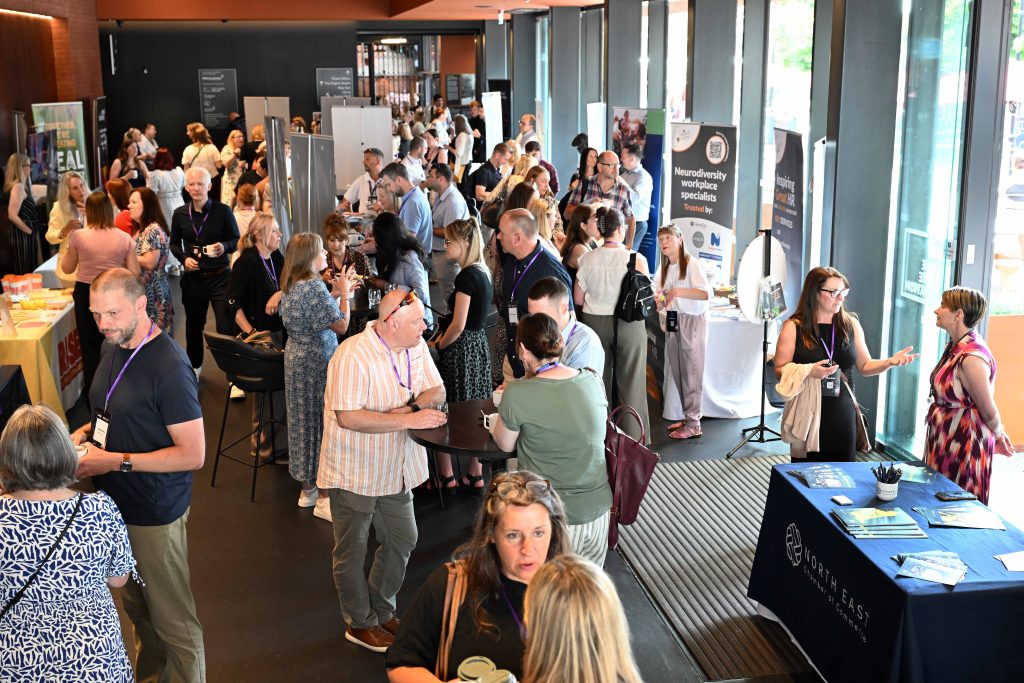
On 24th June, we were proud to partner with SHINE, the North East Mayoral Strategic Authority's initiative to champion responsible employment that puts people first, to produce the "Shining Bright" conference at The Fire Station in Sunderland.
This conference brought together employers, policymakers, business leaders, and wellbeing professionals from across the North East to discuss a fundamental question: how do we create better workplaces that enable both people and businesses to thrive?
The answer, it became clear throughout the day, is not found in a single policy, initiative or wellbeing programme. Rather, it lies in creating cultures, systems and leadership approaches that place people at the heart of organisational success.
From keynote speeches by Mayor Kim McGuinness and leaders from business, education and the public sector, through to thought-provoking panel discussions on wellbeing, social value and investing in people, one message resonated throughout: workplace wellbeing is not a “nice to have” – it is a strategic imperative.
Here are our five key takeaways from Shining Bright 2026.
1. Workplace wellbeing is economic policy
A recurring theme throughout the conference was that investing in people is not separate from economic growth – it is fundamental to it.
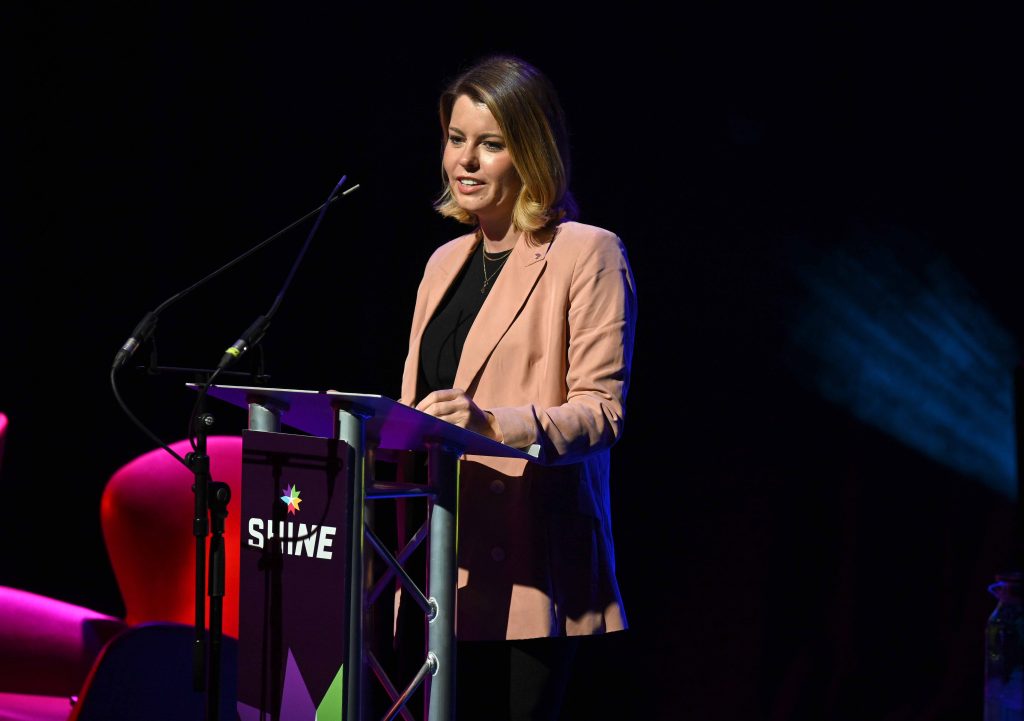
Opening the conference, Mayor Kim McGuinness spoke passionately about the need to create “infrastructure of opportunity” for young people across the North East. Her message was clear: talent exists everywhere, but opportunity does not. Businesses, government and communities must work together to ensure that more people can access meaningful employment and fulfilling careers.
This was reinforced by John McCabe, Chief Executive of the North East Chamber of Commerce, who argued that quality jobs, inclusive workplaces and employee wellbeing should be viewed as economic policy imperatives rather than corporate responsibility initiatives. Businesses that invest in their people see improved retention, stronger productivity, greater innovation and more sustainable growth.
The challenge facing the North East is significant. Skills shortages exist alongside pockets of economic inactivity, while many talented individuals remain excluded from the workforce. The consensus from the Shining Bright conference was that solving these challenges requires collaboration across employers, government, education providers and employee representatives.
2. Workplace wellbeing must move from initiative to culture
One of the strongest themes to emerge throughout the day was that wellbeing cannot be delivered through standalone initiatives alone.
Sarah Pass of Engage for Success highlighted the growing economic and human costs associated with poor employee engagement and long-term health conditions. Businesses across the UK are losing billions through absence, presenteeism and reduced productivity, yet many organisations continue to treat wellbeing as an optional extra.
The panel discussions reinforced that organisations seeing the greatest success are those where wellbeing is embedded into culture rather than delivered through isolated campaigns.
Several practical examples demonstrated this approach:
- creating environments where managers regularly discuss wellbeing
- embedding flexible and hybrid working practices
- supporting employees through significant life experiences such as menopause and bereavement
- developing peer support networks and affinity groups, and
- ensuring wellbeing conversations become part of everyday working life.
An extremely significant observation of the day was that employees do not leave their personal experiences at the workplace door. Organisations that recognise the whole person, rather than simply the employee, are more likely to retain talent and build engaged workforces.
3. Managers remain the single biggest driver of employee experience
One message united almost every session, which was the critical importance of line managers.
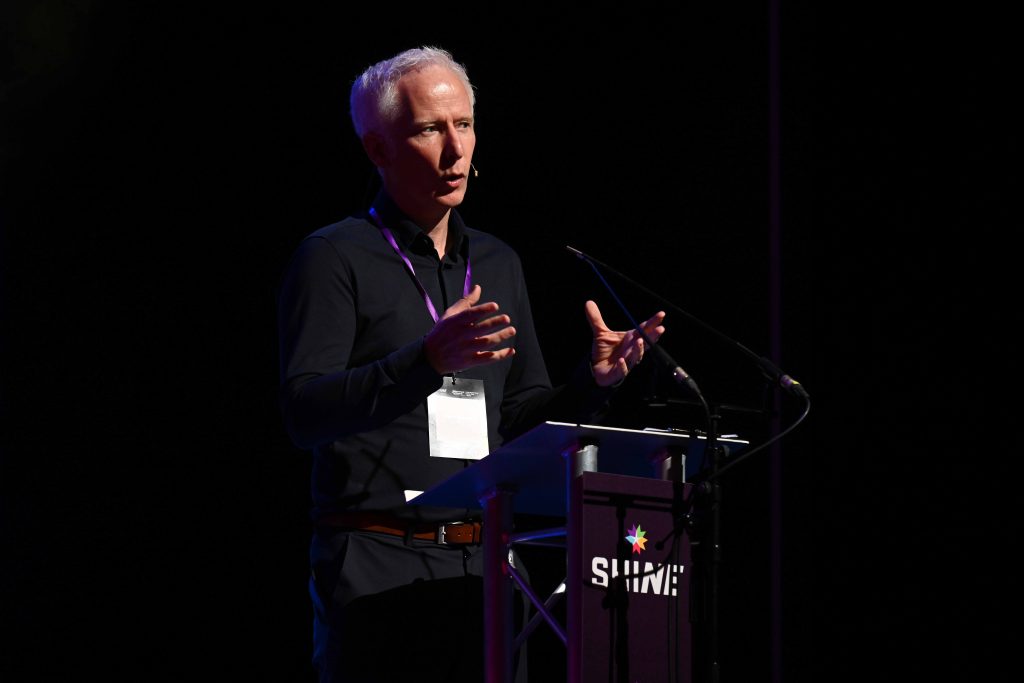
Lucy Pritchard of the National Trust delivered an extremely thought provoking presentation, sharing a powerful story about the late Sir Bobby Robson and the lasting impact of leaders who make people feel valued, heard and important.
Research consistently demonstrates that managers account for the majority of variation in employee engagement between teams. Yet, as Lucy highlighted, many managers enter leadership roles with little or no formal training, often because they excelled in technical roles rather than because they were equipped to manage people.
This creates what many speakers described as the “accidental manager” problem.
The challenge facing employers is therefore not simply asking managers to perform better but creating the conditions that allow them to succeed. Throughout the conference, organisations shared examples of investing in leadership development, peer learning groups, mentoring, coaching and succession planning programmes.
The five conditions identified for successful management resonated strongly:
- clarity;
- capacity;
- confidence;
- connection; and
- consistency.
The message for employers was simple: if managers matter this much, organisations must invest in supporting them accordingly.
4. Inclusion requires intentional action
Several sessions challenged the assumption that inclusive workplaces emerge naturally.
Whether discussing neurodiversity, menopause, bereavement, flexible working or employee voice, speakers repeatedly emphasised that inclusion requires deliberate and sustained action.
Sessions on menopause and grief in particular highlighted how organisations often underestimate the impact that major life experiences have on confidence, engagement and retention. Compassion, delegates heard, is not a soft skill – it is a strategic capability.
Similarly, discussions around employee engagement highlighted the importance of creating environments where individuals feel seen, heard and supported. Employees who feel psychologically safe are more likely to seek help, remain engaged and contribute fully.
As one speaker observed, culture becomes visible during difficult moments. The way organisations respond to challenge, vulnerability and change reveals far more than any written policy ever can.
5. Purpose and social value are now business essentials
The final takeaway from the conference centred on social value and purpose-led business.
Businesses of all sizes demonstrated that social value is no longer simply a charitable add-on or a procurement requirement. Instead, it is becoming a core component of organisational identity, talent attraction and long-term business success.
Examples shared by Esh Group, Big River Bakery, UMi and Phonetic Digital illustrated that organisations do not need significant budgets to create meaningful impact. What matters is authenticity, leadership commitment and a clear understanding of the communities they serve.
A particularly striking message was that younger generations increasingly expect employers to demonstrate purpose and social responsibility. Organisations that can clearly articulate why they exist, beyond profit alone, are better positioned to attract and retain talent.
As several speakers noted, the key is not trying to do everything at once. Start small, understand where you can have the greatest impact and build from there.
Looking ahead
The Shining Bright 2026 conference brought together employers of all sizes, sectors and perspectives, yet there was remarkable consensus around the challenges and opportunities ahead. Workplace wellbeing, social value and inclusive leadership are not competing priorities; they are interconnected drivers of organisational and economic success.
The challenge now is to ensure that the conversations held in Sunderland continue long after the conference has ended.
As partners with SHINE of the Shining Bright conference, we were delighted to be part of an event that showcased not only the challenges facing employers today, but also the innovation, collaboration and leadership that exists across our region to address them. I am so grateful to all the contributors who shared their experiences and views so openly, providing food for thought for the many hundred who joined us on the day.
If one message stood out above all others, it was this: when organisations invest in people, everyone benefits.
To find out more about becoming a SHINE member, visit this website.
Please note that this briefing is designed to be informative, not advisory and represents our understanding of English law and practice as at the date indicated. We would always recommend that you should seek specific guidance on any particular legal issue.
This page may contain links that direct you to third party websites. We have no control over and are not responsible for the content, use by you or availability of those third party websites, for any products or services you buy through those sites or for the treatment of any personal information you provide to the third party.
Contact a specialist

Follow us on LinkedIn
Keep up to date with all the latest updates and insights from our expert team