Scaling a tech consultancy with Tom Lawson
12th March, 2026
Fastest 50 Podcast
2nd April 2026
Building high-performance teams with Steven Forrest
Find out more
26th March 2026
Forecasting business trends with Joanna Feeley
Find out more
19th March 2026
Building legacy and resilience with Andy Carr and Paul Callaghan
Find out more
12th March 2026
Scaling a tech consultancy with Tom Lawson
Find out more
5th March 2026
Using advisors to support growth with Raman Sehgal
Find out more
5th March 2026
Growth by design with Mark Thompson
Find out more
Welcome to The Ward Hadaway Fastest 50 Podcast, where we sit down with entrepreneurs and business leaders who are rewriting the rules of growth in the UK and beyond.
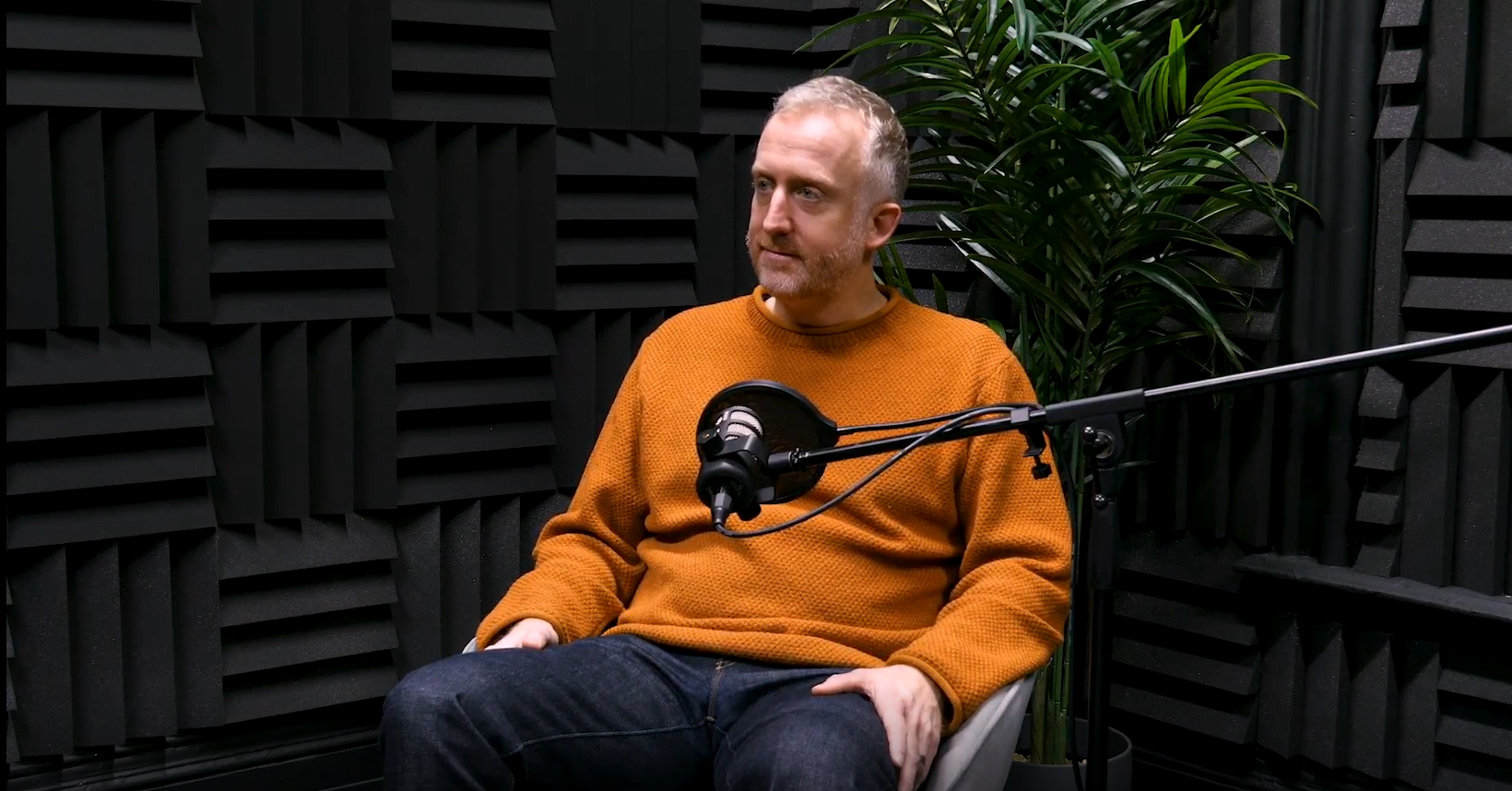
Host Alistair McDonald is joined by co-host Jamie Gamble and Tom Lawson, Chief Executive of Opencast, to discuss scaling a people-first technology consultancy from the North East into a national business.
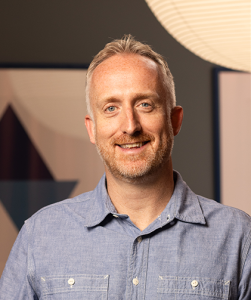
Tom Lawson, Chief Executive, Opencast
Since becoming Chief Executive in 2020, Tom has led Opencast through a period of rapid growth, expanding the business from around 80 people to more than 500 colleagues across the UK.
In this episode, he shares how culture, purpose and a strong focus on people have supported that growth, and why the North East continues to be an important base for building successful technology businesses.
If you’re building or leading growth, you’ll hear practical insight on:
- How to scale a business while keeping culture, purpose and people at the centre
- How to build the right team and leadership capability as a business grows
- How to create clarity of purpose and stay focused as markets and priorities change
- How external advisors, peer networks and support systems can help leaders manage growth
- How to think about long term growth in a fast-moving technology market, including the impact of AI
Listen on Apple Podcasts or Spotify


You can find out more about Ward Hadaway Fastest 50 here. For the Fastest 50 podcast and access to all episodes, click here.
Alistair McDonald:
Hello and welcome to the Fastest 50 podcast. Today’s guest is entrepreneur, author, investor, podcast host and friend. He founded ramarketing 16 years ago in 2009, growing it into a private equity backed international agency serving pharma and life science companies around the globe. He later founded Lead Candidate, the specialist talent partner for the outsourcing sector, and he hosts his own podcast, the Molecule to Market, the leading podcast for drug development and manufacturing.
He’s also the bestselling author of The Floundering Founder, a mentor to agency owners, and an active angel investor backing early-stage companies. A warm welcome to Raman Sehgal.
Raman Sehgal:
Thank you mate. That was very kind of you.
Alistair McDonald:
Do you want to just explain a little bit about how you started the business and was there like a grand vision for it all?
Raman Sehgal:
Absolutely not. There was no grand vision. You know, like you read these stories and articles about these entrepreneurial startups that always had a plan to grow and scale and sell and all that kind of stuff and that was far from it. It was very opportunistic actually I just, the company I work for basically demerged into two businesses and the bit that I didn’t go to work for, basically said,
“Hey, can you just do our PR and marketing and what you’ve been doing kind of like in your spare time?”
And around that time, you, I think I was working with you, in Bow De Gallen and a couple of other kind of clients, like almost on the side where I was helping people with local PR or whatever it was at the time.
And so, you know, if I reflect back now. It’s funny cause people come to me with a great business idea, and they haven’t got any traction yet. They’re like, “oh, I’m going to do this and I’m going to do that”.
Like what? If I reflect back now, I had traction. I actually had three, four clients before I even realised, I had something.
It was very much opportunistic and then it kind of just grew from there when, as I had kind of a job in inverted commas, but I was also increasing my work outside and so ramarketing just kind of grew very quickly for the first few years, purely on reputation. It wasn’t like we were marketing the business or going yeah, it was just reputation and actually a great way to get traction is people sharing your information and saying, “Hey this kid knows what he’s doing”, or whatever.
Alistair McDonald:
Definitely. I mean, it’s actually something I learned fairly early doors in terms of like the power of PR, obviously when we were working together. It was a small family owned provider of specialist, you know, newer rehab for people in the community and we had one site and we were growing it, but we started doing the accessible music festival and you got us in the Guardian, and like that really opened my eyes to what you can do with the right kind of PR and you know, how you can really turbocharge your message.
And we just massively punched above our weight because of that and people have seen that. So obviously you started your business and, you know, you were doing PR marketing for a number of different people and you know, we were a newer rehab and you know, , you did some work for me when I moved to a smaller law firm and I remember us having a conversation about the fact that, you know, you weren’t going to service us anymore and that you are going to focus on something else.
Do you want to explain a bit about like why that was?
Raman Sehgal:
Yeah, sure. Sacking you as a client was one of the greatest achievements I’ve ever had in my career
I think, you know, if I look back, one of the things that we found was, you know, when you’re a fledge in business, you kind of take anything that knocks on the door because you want to just grow the business and you need the money coming in to, to scale and pay staff and all the other stuff. And so. You know, we were probably four or five years in at this point in time.
We had, you know, we probably had 20, 30 clients at the time and what I found it very tough actually, if I reflect back, like it was a very hard period because it was really difficult to consistently service clients in multiple sectors and multiple service lines.
And what we, what I did is just kind of have, I remember listening to a podcast actually, and this podcast talked about, the concept of, you know, high maintenance, low maintenance clients and or staff, actually you can do a similar model and it was, it, I know, I remember sitting down and basically mapping out all the clients that we had at the time and the, and what we found is the ones that we had greatest traction with, that we’re spending the most money, that we had very good relationships with, that were very loyal and actually gave us a, an opportunity to internationalise. And that was pretty critical. Cause we started winning a bit of business outside of the UK at that time and that really excited, not only me, but the rest of the team.
It kind of it became apparent that we can’t be everything to everyone and so I remember taking the decision to just purely focus the business entirely on the kind of life science pharmaceutical supply chain, which I’m happy to get into and kind of explain that in a bit more detail.
But in doing that meant having difficult conversations like I did with you, which was like,
“Hey, like we’ll see out this contract”.
I mean, funny story, I remember ringing, you know, one of my really good friends, Sara Davies, who’s everyone will know because she’s on TV and all that kind of stuff and she’s one of my best mates, which is really like one of the funny parts of the story.
I remember ringing her saying, “Hey, we’re going to have to, we’re have to kick you out as a client”
She was like “What? Who the hell do you think you are?”
Alistair McDonald:
Well, probably never happened to her.
Raman Sehgal:
But she also understood it and probably very similar on, it wasn’t a difficult conversation with you, it wasn’t a difficult conversation with Sara because like.
Alistair McDonald:
We’ve got it.
Raman Sehgal:
Because people, like someone like yourself can understand and actually, like you were invested in probably my journey in the same way Sara was, where it wasn’t like we were having a scrap or anything like that far from it.
It was actually a very grown-up conversation, and you stepped back and understood that. So, we were really lucky that we had clients that actually got it and were like, actually, good luck to you and that really was like, that was probably one of the best and most difficult decisions I made on the journey, but it really kind of set us on a track of growth very quickly after that.
Alistair McDonald:
Yeah. No, I think you’re right. People can see why you want to do it, and people want you to do well when they’ve got good relationships, so, yeah. That makes sense.
So, you know, we’ve just touched on the fact that you’ve done the classic Geordie abroad buzzing off seeing another Geordie thing that everybody does, but you’ve got a really, hugely successful business.
You talked about the fact that you’d won some work abroad and people listening to the podcast might not necessarily realise, but you’ve set up in Boston, you’re now located in Toronto, and I’m interested to know what the journey was in terms of going from, you know, the North East out there.
I don’t think that’s a common path for a lot of entrepreneurs, particularly in the Northeast. So, I’m just interested to understand how that happened, but I’m also keen to understand because it, your Headquarters is still in the northeast. Is that right?
Raman Sehgal:
A hundred percent.
Yeah. Newcastle.
Alistair McDonald:
So, I’m interested to understand why that is and what’s good about doing business as a business that’s headquartered in the Northeast.
Raman Sehgal:
Yeah. Great question. And how, I suppose how it came about originally was, what I noticed was if we were a specialist in a particular sector, in a global sector.
And I suppose for your kind of listeners and viewers, the way to describe where we play is. New drugs are like new drug products are developed and go to market every single day all over the world by typically big pharmaceutical companies and biotechnology companies. Those companies outsource a huge amount, whether it be manufacturing, packaging, testing, research, clinical trials like brain power tech consulting, like they are huge machines, but they outsource a huge amount in that market is, you know, commonly known as pharma services or the outsourcing space.
And that’s exactly where we focus. Our clients are B2B clients within those that space. But it is a global market and where we got a bit lucky was if I reflect back now, like that market was growing really quickly in 2015 all the way through to COVID, which we can get onto and once we decided back to your previous question that we were just gonna be a specialist in this space we all of a sudden weren’t pitching for work in the North East of England, we were on the radar of companies all over the world that wanted a specialist agency.
And there were two specific examples which I’ll never forget, which led to the US work. So, we had a couple of clients. I think we had a client in France and a client in Denmark.
Actually, I’ve got to tell you a good pricing story, so I remember we won this client in Denmark. We flew out there and I said to the client “why did you choose us?” and he explained, you know, we demonstrated good knowledge of their market and we knew it. And he said,” but you almost didn’t win the work”.
And I was like, you know, and it’s funny cause your wife’s sister was on the pitch with me when we did this.
God goes back a long time.
And but she wasn’t in Denmark on this particular trip. And I was like, “God, like, did someone offend you? Or something like that?”
And he went “no you were just too cheap”.
Right?
I was like, “what?” And I was like,” alright, okay”.
And he was like, “the closest agency to you was three times the price”. And he said, the reason we nearly didn’t choose you was because, and we had never had a pitch that high from our perspective, but we were pricing, like we were pricing for a little business in Newcastle and not an international.
It was actually one of the biggest nicotine chewing and manufacturing companies in the world like that. We were just so excited. We were like, we’ll take anything.
So, it was a real lesson on pricing in terms of like, like pricing for an appropriate, like as a specialist versus a local company. And then a few months later in the space of about two weeks, we got two emails in our like information inbox on the website. And the first email was a company from the US was an association in the regulatory space in the US saying,
‘Hey, we want to raise our profile in Europe. We’ve heard about you, you’ve been recommended by journalists in the sector, et cetera, et cetera. You guys are the best for Europe. Our budget’s $200,000’.
And I remember at the time an average, so I mean, call that 150,000 quid. At the time our average client was probably spending 10 grand a year.
We genuinely thought it was a typo. We were like this fella has put a zero too many zeroes on here.
Anyway, lo and behold, long story short, we won the project.
Funnily enough, we actually brought them when on the day they came to Newcastle. We got a stadium tour at St. James’ Park and we took them. This was in, you know, when we were terrible, but it was amazing and they really appreciated that. Two weeks later, we got another email from a US company. It was a tech company in the sector saying, ‘Hey, we’ve just opened an office in London. We want to do a big launch. We need a PR agency, budget’s 150 grand’.
The penny dropped. Then it was like, hang on a second. Why are we not in the US winning business? And that, that was, again, it was kind of a bit of a look, it was a bit of opportunity, it was a bit of risk, whatever, but that definitely with the penny then dropped in terms of the market that we were kind of playing in the potential for it.
Which then led to things like trade missions with what was U-K-T-I-D-I-T at the time. I travelled quite a lot to the US to the point where my wife got absolutely sick of me being on a plane. Because you know, if you travel to the US from the UK, your kind of, you don’t want to be coming back the next day.
So I’d be going a week at a time, and you know, we had two, I think my youngest second kid was born around that time as well, so it was just quite a hard life as a family when I’m away quite a lot, my wife, she was, she’d qualified as a doctor, NHS doctor. So, we just had a lot going on.
As the few years passed and the national business continued to grow that ultimately led to the decision to set up an office in Boston, in the US and there’s a story of that as well about, you know, how I then I ended up moving there, which was the end of that story.
But yeah, it was frantic journey, have to say, like very frantic, but super exciting.
If I look back at all the things we’ve achieved as a business, like. It was definitely the most fun period, no doubt about it. It was a bit like at spring I was in the gym this morning. I’m watching the Wrexham documentary with Ryan Reynolds and it’s the episode where they’re in the FA cup and they do some giant killing, and that’s what it felt like.
And you know, to your previous question now, like we were just a bunch of Geordie kids in an office in Newcastle taking on the world, and the excitement around that was just phenomenal.
Like it was the pitches we were going into, like, you know, we just, we were up against the best agencies in the world in our space and where we’re beating them hand easily.
And it was just so much fun.
Alistair McDonald:
Good, good. You know, you’ve mentioned the fast pace of growth and. I’m interested to know what the, like, the catalyst is for that really rapid growth. But you also mentioned the pandemic briefly earlier, and for a lot of businesses that was, you know, a huge challenge just keeping the lights on, but it sounds as if that was something that did more than just keep the lights on for you guys.
So, if you wouldn’t mind touching on the catalyst for the really rapid growth and then what happened in the pandemic?
Raman Sehgal:
I mean, the catalyst was probably threefold, and I call them like our pivot moments.
One we’ve already covered, which was specialising in our niche, like that was it and I tie that probably with the internationalisation piece as well.
The other thing I would say is Fiona Cruickshank invested in the business around that time as well, and that just made us think differently and bigger in less like a quick little agency in Newcastle. She had built and sold businesses and had a very global outlook. She’d worked in the sector and so having someone who was a bit more mature, I’ll say, just to annoy you, like around in helping us set up like a board structure and like helping us professionalise was amazing.
That led to bringing in Emma Banks, the CEO at ramarketing, which was again a critical move, because what it did was allow me to move to the US and I would never have envisaged that, but me being the founder was actually a very powerful and compelling proposition in the US market because they love founders and entrepreneurs, which I didn’t really get right until I moved there.
So actually, winning business wasn’t easy, but it was much easier as a founder than it was like a BD person or a BD manager or whatever.
It gave us the grounding going into the pandemic, like all these things were in place and you know, like everyone else, when the pandemic hit, we had a board meeting and we were like, “oh my god” and genuinely what we said was, “whatever happens, we keep people in a job”.
That was, I remember having the board meeting and we all agreed there was me, Fiona, Emma and our finance director at the time, and we agreed that we would take up to 20-30 percent pay cut as the four of us to make sure we didn’t have to get rid of anyone on the team. That was, and we were probably at 60 people at the time, so we’d grown quite substantially. But hopefully that gives you a sense of like our value set as a business.
Like we were just like, and this was pre furlough and all that kind of stuff. Because we just didn’t know what was going to happen, like everyone else. There was just so much uncertainty. But we had cash in the bank. We built a very good business. We were like, this is why we, you know, save for a rainy day.
This is our rainy day. We keep our people in the job full stop and what actually happened was obviously for the pharmaceutical sector. This was actually boom time, but no one necessarily knew that because everyone was just like, ‘oh my god’. Like all the stuff that came with COVID, like social distancing, can’t leave the house, all that kind of stuff.
But, you know, many of our clients, two things happened. Many of our clients were involved in the development and ultimate creation of the vaccines. So, you know, these were the companies actually developing manufacturing vaccines. The other thing that happened was we were predominantly a digital led agency, and a lot of the sector had been driven by traditional trade events.
It still is today. Like in 2020, we grew 86%. But it nearly broke us all right? It nearly broke everyone, and because the growth was fun and fantastic, but people were working from home, you had a load of mental health challenges for a lot of the team. It was a very difficult time for loads of reasons, but we just couldn’t keep up demand. We could not keep up with demand. And a lot of it was just, we were in the right place at the, I say we were in the right place at the right time, but we, if you go back to all the stuff we talked about, Al, we were specialist, we had internationalised, we had put professional, we put a CEO in place, we put a leadership team, a board structure, all the kind of stuff. But we just didn’t know we were ready for growth anyway.
We were growing 30% year on year anyway. It wasn’t like we weren’t growing, but like double in size in 2020 was, no one was doing that and so it was very tough but amazing. Like everything broke. Everything broke that year and like people broke. I remember being on so many calls where people were just like, bursting into tears. I’m like, oh my God, this is so hard.
But we made loads of money, which was fun.
Alistair McDonald:
Yeah, that was the good bit. I mean, the fastest 50 is all about growth, and it’s all about celebrating that growth and we at Ward Hadaway, we’re experiencing that at the moment the board have got a clear focus and a clear set of objectives about growth and we’ve opened in Middlesborough and we’ve opened in Birmingham and we’re on a trajectory and, you know, I’m really excited by that journey. I absolutely love it, but it’s, you know, I can see that it’s not without its challenges.
And you’ve indicated that you had that rapid growth. It sounds like you had a strategy for growth. You had external set of circumstances that saw that really rapid growth and you’ve mentioned what the challenges were, but how did you overcome them? Like what did you do to like to just go through that period and come out the other side with yes money in the bank, but a business where you had people who still, you know, could still come to work the day.
Raman Sehgal:
Just having smart people around, I think is number one and having good advisors and people.
I’m a massive believer in just learning from people that who’ve already been there and done it.
So, I was very proactive say about spending time. So, for example, in 2021, I joined like this agency owner forum in the US, and it was expensive. It was like $20,000 a year just to be a member.
Alistair McDonald:
Okay.
Raman Sehgal:
But the things I learned from that were fundamental to the next couple of years because. It gave me an insight into, if we keep growing, this is the stuff that we’re going to have to deal with.
And so, I think like we all play our role. Like I pass myself as like, I’m always the guy looking around the corner. Like I’m always saying what’s coming next. But you also need team members to manage the day to day and that, whether that’s putting new systems in place, or refining processes or whether it’s staffing.
But that’s the other thing, you know, as I said, like before, I remember reading something in the book years ago to every time a business. Like the multiple of three, the business breaks, right? So, when a business goes from one to three, everything’s different. cause it’s three people. When it goes to three to nine, everything’s different. Nine to 27. 27 to 90, and we had gone from like 27 to 90 in the space of about 18 months. Everything broke, right? Because like the systems we were using, we had to professionalise hr, we brought a financial director in it. It’s going from like back to the football manager going from like a non-league team to a Premier League team in like two years.
And so, it meant that we outgrew people, which was difficult. So, people that were very critical to the journey, like in the same way that a non-league footballer probably wouldn’t be good enough to, you know, one in a thousand makes it right. And that was difficult because people that we’d been very loyal to that had played a role in the growth of the business, one way or the other, they left out, you know, we just outgrew them.
I made so many hiring mistakes. But you just learn and you just work out what’s working or not and one of the biggest errors we made around that time was, I remember we brought in this project management system and I remember thinking, my gut is not great on this. This just doesn’t feel like it’s going to work for us. And it was a disaster. The whole thing was a disaster, and we spent a ton of money and it really demoralised the team and we ended up going back to the old system and I remember being like, this you make so many mistakes because you can almost go, I’m saying on one hand you have to step up, but you don’t have to become, you’re not, you’re still 90 people. You’re not a business of 50,000 and I think there were times where we were like, okay, we need, oh, we must bring in, you know EY or PWC or whatever to help us with this problem, like, or Accenture or whoever and you’re like, hang on a second, we’re still a Newcastle headquartered business.
We use this thing called the entrepreneurial operating system. I know you’ve come across it. EOS. It’s like a think about like an operating system to run the business. That was a really critical thing to bring in the business because it meant the whole business was running off the same system and so like the meeting and cadence the way you solve problems. I think it’s like IDS it’s called, which is like, issue discussion solution. Like, so that, that was a good like framework for everything across the business. I mean, it’s not perfect, but it worked for us and to help fast growing business, just like pull things together.
I said before, it was very fun and exciting, but it was also, that’s a hard period when you’re growing that quickly. Like it’s a difficult, you just problem solving and putting fires out constantly, like all the time.
Alistair McDonald:
You touched on something there that I’m quite interested in. Obviously, my role is BD director for a top hundred law firm.
You know I have developed some of the same sort of spider sense that you are talking about in terms of stuff in the business when it looks like a business is going to need a different legal partner and you touched on accountancy earlier, but you know, I would imagine it’s similar, like what’s the process or is there a process that you go through in terms of like, you’ve got your business objectives, you’ve got everything going on.
What makes you think that’s a good law firm for us, or that’s a good accountancy firm? Like is there a process there or not?
Raman Sehgal:
That’s a super question actually. I take massive pride in my relationships and partnerships with advisors, whether it be legal or whether it be accountancy
I think they are such critical relationships, and I class it like less. It’s often the like, you know, the protection of the business as much as the promotion of the business. Like, you know, a high growth business is very vulnerable to risk because of, you know, we were signing contracts with unlimited liability for example, ’cause we didn’t have a choice because you’re dealing with big pharma companies at times. But you take some advice on that around what it means and actually what the downside is. And you know, we’ve taken great legal advice on that. And we have evolved our relationships because it’s often where we have just grown out of the relationship.
When we used an accountancy firm in Newcastle, and when we started setting up the US stuff, it was very apparent that they didn’t have a clue about that. That’s no disrespect to their firm; it just wasn’t their business.
Until we ended up, you know. I asked a ton of people who had done the journey and this name kept on coming up in this company and actually Shrewsbury in the UK who have a, an entity in the US as well, that was specialists in UK, US accounting and they became our accounting partner and like they were, they have been an amazing partner and they still do like my personal taxation and things like that because they work in multiple jurisdictions.
Regularly assess your partnership relationships and It’s worth going to the dinners, going to the Fastest 50 to understand what is out there and to know that actually what the next step up might look like. It seems like a lot of effort, but actually if you’re fast growing, it happens very quickly and you don’t want to be scrambling being like, oh my God like, who out there? cause then you can make a, you make a rash, desperate decision.
Alistair McDonald:
Yeah, no, you’re absolutely right. And you know, cause in the run up to the fastest 50, we go out and we talk to businesses and you know, it isn’t a sales thing, it’s a relationship thing. But I literally can’t help myself.
So, when I’m going there, I’m asking questions about, you know, who do you use at the moment and what you definitely find is like the partners that you had when you were the three or the 27 or whatever, aren’t the ones for the 91.
Raman Sehgal:
No, they’re not. You’re right. Yeah.
Alistair McDonald:
And some of that’s about, you know, there’s a degree of loyalty there, but also some of it, like one of the things I always find with entrepreneurs is like, you’re running at a hundred mile an hour.
You’ve got 50 things happening at once, and you just mentioned it there, you’ve got somebody different for your employment, you’ve got somebody different for your corporate and somebody different for your commercial. Like that to me, that’s three sets of different conversations that,
Raman Sehgal:
yeah, super inefficient,
Alistair McDonald:
really isn’t a good use of your time.
What, for you have been some of the highlights of growing your business, but you’ve grown your team.
Raman Sehgal: Just before I moved to the US, we won our biggest ever contract.
Alistair McDonald: Right.
Raman Sehgal: And it was with a huge, big pharma company that had an element of their contract manufacturing business, that was the bit that we worked with, and we pitched against five US agencies and we won it.
And I’ll never forget that because that felt like we’d really arrived. It was like that was, there was the financial impact to our business which would be literally doubled in size overnight. But like having a client like that believe in you and they’re still a client today, like seven years on.
And actually, of the pitch team that we were involved in, that four of the five are still with the company today, which is pretty cool. That’s definitely, It’s a very specific kind of memory.
I suppose this one’s probably not, it’s not as specific as opposed to just, there are people that have worked with the business for say, five to ten years and in that time, I have seen them, I’ve seen their life stages evolve and we have been a fundamental part of that. So, you see I mean, our commercial director you know, we hired her as a grad. Since then, she has got engaged, she bought her first car, she bought her first house, she’s now got two kids. She now sits on the board of the remarketing. Like she is forever grateful for the journey, like for us, but at the same time it’s like a two-way street. And so, and like another example would be, you know, I’ve got three of my team in Toronto that moved from the UK and like watching the impact it’s having it on their life is unbelievable.
Like whatever way you look at like, like we have created the environment to let these young, and it’s not just young people actually to let these people thrive. It is by far the most satisfying thing of it. Like away from the business success and all that kind of stuff.
When all said and done, and you’re a bit older or whatever, you’re like, well, what have you done with your life?
Like there is a, I mean, it sounds a bit sloppy, but it’s like, well actually have you actually done anything to help anyone else in your life. And it is a two-way street. It’s not like we’ve just done it. Like they have worked hard and they’ve created those opportunities for themself.
And the other one is probably much more of a, I suppose a business-y one was like, you know, being able to sell a chunk of the business was, I suppose, the pinnacle of any entrepreneur’s journey that you create something that has value well beyond your, that you ever thought it was going to get, and also that, you know.
In our case, you know, having a partner like North Edge or willing, you know, very reputable, well-respected private equity company you know, willing to partner with you to, you know, buy a chunk of the business and go on that next phase with you.
Like, that for me was like, you know, like I remember the date. Like, you know, it’s a significant moment in my life, which is, it’s changed our family life. It’s changed our trajectory as a business. It has, it felt, you know, and that was in, year 13, I think. So, it wasn’t like overnight, you know, it took a long time to get there.
And so that, again, those are three, I suppose, very different things, like almost. But actually, if you look at them like they’re like, one was very client related, one was very team related, and one was very like deal related, which kind of like summarises it probably for me in the stuff I care about.
Alistair McDonald:
Yeah.
Raman Sehgal: It wasn’t, when we put a finance system in place, that certainly was like a new finance. It was, that wasn’t my highlight.
Alistair McDonald:
And it’s cool cause they’re all like very different and I think on your point about your private equity partner, like an organisation like North Edge they will be having people knocking on their door every single day with phenomenal businesses that they can put their money into.
So, the fact that they’ve chosen yours I guess is gratifying.
So, you’ve written a book. So, in the book you’ve got your 24 lessons for refocusing your business and making you a better person and all that kind of stuff. What was the process like of writing a book?
Raman Sehgal:
Horrible, horrible.
Alistair McDonald: Yeah. Okay. Tell us a bit more about that
Raman Sehgal: I wish I had ChatGPT before I did it because we didn’t have any AI tools when I wrote it.
Alistair McDonald: Yeah,
Raman Sehgal: well, the publisher actually like, put me on this course with other authors and they kind of teach you a technique of how to do it. And it’s really exactly, it’s exactly the same technique as running a marathon, but always, basically you’ve got to just run every day.
So, for 45 minutes from 6.45 to 7.30 in 2021 for six months, I was at my desk writing every morning and that was the like, fundamentals of it. Like I’d written lots of blogs, I had lots of ideas. So, a lot of it was just pulling it together. But it was just write, like, and I can write, I’ve always been able to. I’ve got better and better at writing as I’ve got older, but my style’s very consistent and so like everything that I was writing was consistent with my style and once you’ve got enough content, like enough words on the pages, it’s then a case of how do we, and that’s where the publisher helps you, like put it down into, okay, how do we structure this thing?
It ended up being in two parts in 24 lessons. That wasn’t a plan on day one. It just is how it evolved in a way that, you know, ultimately, I wanted to write a book that was very digestible because I like books that are very easy to read and the chapters are relatively short. The idea being you can read 10 pages and get something from it and take it into your day or write it on your notes or whatever and be, oh, go share it with a colleague.
And I actually read, you know The Quadrant’s, a great example. You read that and you’re like; you want to share it with people? cause actually it’s not that complicated. I had one guy saying, it’s absolutely changed my life, gave me a kick up the arse and I really needed it. And it’s amazing the power of like putting something out there and having an impact on people.
And I couldn’t do it now. Like, I mean lots of people have asked like do you want to do another book? And I definitely could, as in I’ve got the content in my head to do it. It’s just unbelievably hard work.
Alistair McDonald:
So, we’ve talked about the fact that it’s, you know, not hugely common for businesses in the North East to really take that international focus.
And you’ve done it very successfully. What advice would you give to any businesses who are, you know, maybe haven’t considered the international market or are considering it, but don’t really know what the process is?
Raman Sehgal:
Well, it’s a great question and it probably brings me to when I was very privileged to do the speech at your Fastest 50 event a couple years ago and like, joking aside, like that was genuinely a pinnacle moment in my life because I’d been there in the audience seeing people talk. So, to be up I was so nervous. I was unbelievably nervous. And I used like a speaking coach and stuff because I wanted to do a good job. The feedback was great and you know, certainly the sentiment that day is probably consistent [with what I’d say now is, look, you know if you’re a law firm that specialises in the UK, it’s hard to internationalise, right?
So, it’s not applicable for everyone. But what I will say is if your business has the potential to internationalise, then you don’t have to take on the whole world in one go.
Right? You could start with Ireland, you could start with the Netherlands, you could start with Scandinavia. These are actually very compatible markets with the UK. The learning curve is nowhere near as difficult as say the US or France. We have clients in like Korea and Japan, and like that is, that’s a whole other ball game.
But for me like that, it’s actually one of my biggest frustrations with North East of England is like people just don’t think big enough and I’ve benefitted from thinking big enough. Which is like, why can’t we, like, why can’t we take on? And it’s funny cause you’ve now got a football team in that city, which is thinking big enough.
My businesses are all international because the value of our businesses comes from its international outlook. Like everything, I mean, the podcast I interview people from. I’m interviewing someone today from Iceland, like, you know I would never have been able to create these opportunities without thinking that big.
Alistair McDonald:
Right. So last question from me. We’ve talked a lot about your sort of journey up to now. We’ve heard a lot about the sort of ups and the downs and the bumps and all that kind of stuff. What are your goals for the business and what are the goals for you personally now?
Raman Sehgal:
Yeah, that’s a good question and what I would say is they’re not as intertwined as they once were.
Alistair McDonald:
Yeah.
Raman Sehgal:
So, I remember my goals for the year would be like there’d be a set of specific ramarketing goals in there, but because that’s all I was doing, whereas now I’m much more diversified in what I do, right? I’ve got my rollout ramarketing, my rollout lead candidate. I’ve got the book stuff; I’ve got the podcast stuff. I invest in a bunch of companies.
The comedy stuff’s a bit of a fun thing, but it could turn into something. So, I suppose the business goals are probably easier. Certainly, for ramarketing, you know, being private equity backed, the business needs to continue to scale in order for nor edge to effectively sell the business at some point to another buyer, whether it’s likely to be, my guess is another private equity company.
But ramarketing’s on a great journey at the minute in the sense that, you know, it’s growing very fast again this year and hopefully is going to do some acquisitions, pretty soon, which is very exciting for us as an organisation. But you know, I’m not running it day to day now, so I’m there almost advising as a board member and, you know, helping guide and navigate as much as actually doing the doing.
So I think that business continuing to grow beyond me, it’s something I’m very proud of, that it’s all, it’s not reliant on me anymore, which is great and probably same for Lead Candidate to an extent, but the Lead Candidate’s smaller business, but both, you know, both those companies are headquartered in Newcastle, right?
They’re both in the city centre of Newcastle, I don’t know, but across the two companies, I’m guessing those companies employ 60- 70 people in the Northeast, actually, in Newcastle specifically, and they all come from the North East. But just again, I’m very proud of that fact. I’m so proud to be a Geordie and from the North East.
You know, me and my kids wear Newcastle strips at every opportunity, and we fly that flag internationally massively. So having a business that is located there has given us that, all the Geordie superpowers actually, which is like being friendly, being responsive, being good communicators, being hard work and all that stuff, which is in the DNA of being from the North East of England.
And it’s probably not just a Geordie thing as a North East thing. I think that makes me certainly very proud and that’s a definite growth driver for those businesses to continue to grow and yeah, and then like beyond that, my own personal goals. Honestly, it’s weird. It’s probably the first time in my life I’ve not sat down and done a bunch of goals, right?
Like I normally at this time I’m like planning 2026, but a lot of it is outside of my control now, which makes it quite scary. Also, like, you know, when your kids are getting a bit older, you want to just make sure you’re around before they go do whatever they want to do. So, dare say, after that.
Alistair McDonald:
You’re so aware of that window that you’ve got left, aren’t you?
Raman Sehgal:
And it’s closing and you know, we talked off air, you know, like our eldest two, are a similar age. Their need for us gets less and less as they get older and so I think for us, you know, as a family, spending that time with the kids, that quality time in addition to just not being stressed to death all the time is healthy for this phase of life. Cause you just, you know, I lost a mate earlier this year in awful circumstances and it was a very timely reminder of like just what can happen.
There’s never going to be enough hours in day to work like it’s always going to be there so, finding that balance and if anything, like balancing it more the other way would be is what I’m kind of trying to do more of at the minute.
Alistair McDonald:
Well, thank you very much indeed for that answer and for the rest of it, I mean if I’m going to summarise it, and we’ve got through a lot I think from my point of view, what I’ve observed is that you’ve grown a number of extremely successful businesses but you’ve not only done that, you’ve written a book about it to inspire other people.
You know, you do your podcasts, you do your comedy, your investing. You know, you’ve got a multiple of different things that you’re involved with, but it seems like you do them all extremely well. So that’s just really impressive and brilliant to see and the warmth and enthusiasm that you’ve talked about in terms of, you know, one of your highlights being people that you’ve employed and that have grown on the journey with you being up there with the, you know, multimillion pound deal and stuff and I think that talks very much to who you are as a person, and it’s just something that I’ve got an enormous amount of pride in having seen you grow from.
And I think the fact that you’re trying to inspire other businesses, whether that’s to grow or to look at international things and keeping that pride in the North East and the place where you’ve come from is testament to you.
So, it’s been an absolute honour and a privilege to be your friend, to see you do all these things and to have you on my podcast.
Raman Sehgal:
Thank you.
Alistair McDonald: Thanks very much indeed for doing it.
Raman Sehgal:
Cheers Al. That’s very nice of you to say so, and thanks for having us on and yeah, likewise, it’s amazing to see your growth and all the stuff you’ve done and the impact you’ve had as well.
And yeah, it’s always nice to catch up with you.
Alistair McDonald:
Absolutely. Well, hopefully we’ll have a pint at some point in the North East, but congratulations on all your success and I’ll see you soon.
Raman Sehgal:
Will do.
Alistair McDonald:
Yeah. Okay, well, thanks very much for all of that. Really appreciate that conversation. If people want to find out more about your business or listen to your podcast and things, what’s the best way to find you?
Raman Sehgal:
Yeah, I mean, I would just suggest looking for me on LinkedIn is probably the easiest way in.
Connect on LinkedIn or like my name, RamanSehgal.com. If you go there, that’s like a portal for all the stuff that I’m involved in and certainly encourage anyone to drop me a line and I’m always receptive. Not people selling you stuff. I’m not that receptive to that. But just people on a journey and if I can be helpful in some way, then yeah, I certainly encourage people to reach out and connect.
Please note that this briefing is designed to be informative, not advisory and represents our understanding of English law and practice as at the date indicated. We would always recommend that you should seek specific guidance on any particular legal issue.
This page may contain links that direct you to third party websites. We have no control over and are not responsible for the content, use by you or availability of those third party websites, for any products or services you buy through those sites or for the treatment of any personal information you provide to the third party.
Contact a specialist

Follow us on LinkedIn
Keep up to date with all the latest updates and insights from our expert team