Tees Valley expert opinion: Jane Reynolds MBE, Chair of Tees Valley Business Club
16th November, 2026
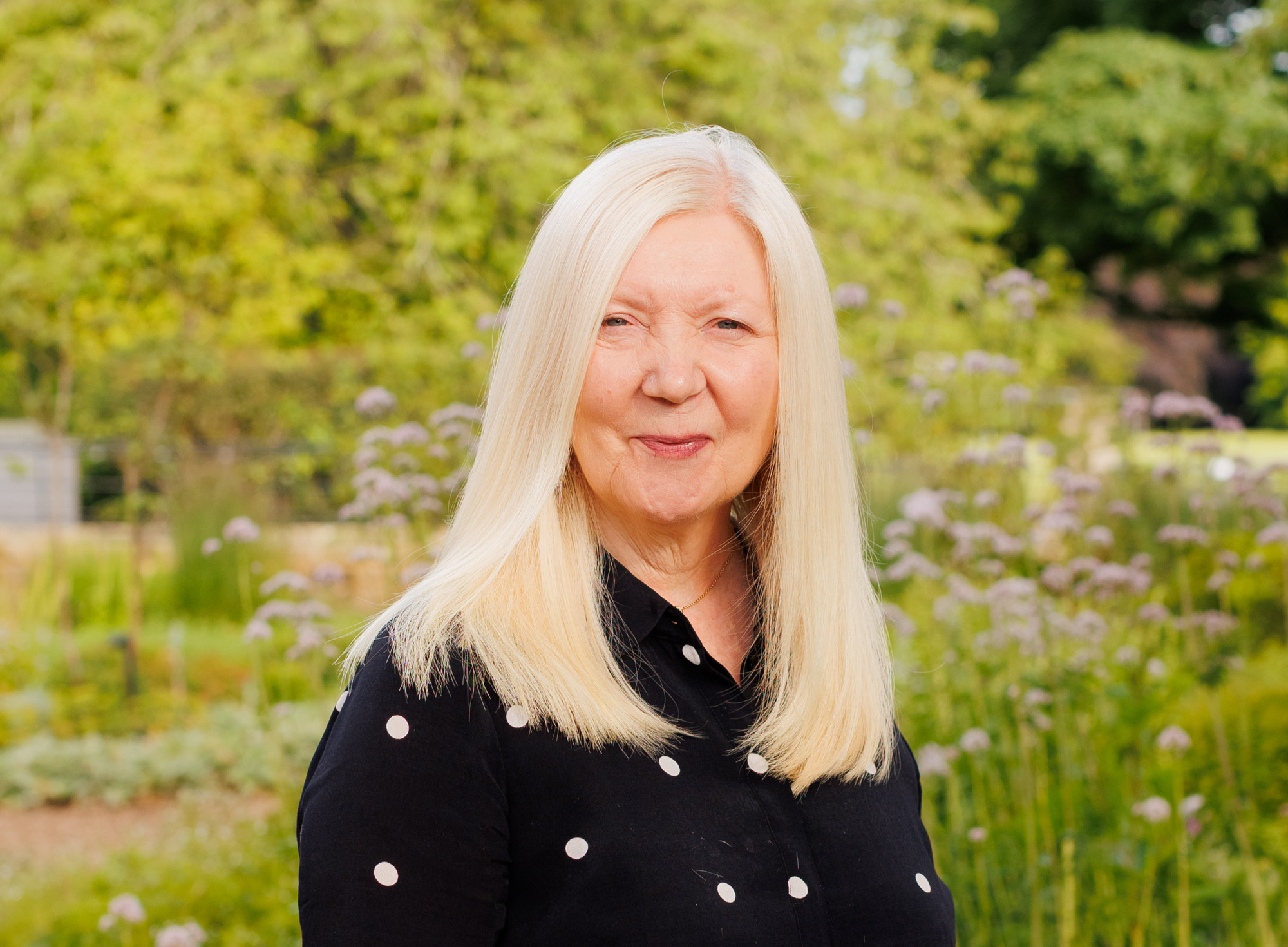
Jane Reynolds MBE, Chair of Tees Valley Business Club, reflects on almost 20 years of working with businesses across the region, the challenges they face finding support and investment and the opportunities she believes Tees Valley has yet to attract.
When I first became involved with Tees Valley Business Club, there were fewer than 30 members. I was working for NStar at the time, looking for businesses across the North East that we could invest in, but a lot of that activity was centered on Newcastle. Although I lived in Tees Valley, most of my business contacts were in the Newcastle area, so I saw the club as an opportunity to get to know the companies that were based closer to home.
The club dates back to 1974, when it was established as Teesside Small Business Club, next year I will have been Director and Chair for 20 years. The club has grown through people finding us and wanting to be part of the business community, rather than advertising or trying to become the biggest organisation. We limit membership to 200 and often have a waiting list, but we are happy with that because we have never wanted the club to be about numbers.
Finding a route to business support
The support available to businesses has changed considerably over the years. Often the problem is not that the support is not available but finding a path to what is available and knowing which organisation to approach.
A lot of businesses start because somebody has a really good product or service, but they do not necessarily have the business experience to go with it. As things develop, they start making decisions about finance, investment and how they are going to grow, and sometimes that means taking time away from running the company to build those foundations.
Through the Business Club, we try to make some of that easier – people can see who is attending club events, hear directly from speakers and follow up afterwards. If somebody wants to meet a particular person, one of our directors can make that introduction, so they can have a conversation. This is a softer way of making contact than sitting at a computer trying to work out who to approach.
My time working in investment also made me very conscious of what happens when businesses need further funding. I have seen companies secure their first tranche of investment, possibly their second, but then there is a big gap before the third. You must keep looking ahead and understand where the next opportunity might come from, because the last thing a growing business want to do is run out of cash.
I have always felt strongly about keeping those businesses in the North East, especially when they have already received investment and started to grow here. If they must look elsewhere for the next stage of funding, they do not necessarily come back, and the region loses the people and the businesses it helped develop.
Business confidence and recognising opportunities
Business confidence is a difficult question because the answer will always be mixed. You will have entrepreneurs who have a plan and are going to make it happen, whatever changes in government or policy come along. Then there are others who are much more cautious and do not necessarily feel this is the right time to grow, perhaps because they are waiting for additional help or support.
I think businesses must remember the supply chain and the opportunities that major developments can create for companies working in other sectors.
For example, we held an event in Hartlepool looking at the film and television industry, and one of the speakers explained what happens when a major production comes into the area. It is not just the stars of the programme or film; there are crews who need accommodation and sustenance. The speaker was encouraging people to start thinking about housing and catering businesses because what we have got at the moment is good, but it’s nowhere near what we will need if we attract all those major productions.
The club has also held events highlighting Middlesbrough’s digital sector and the Darlington’s Economic Campus. I think it’s quite extraordinary to have the Treasury establishing such a significant presence in Darlington, and this will create employment opportunities for people across the region.

Tees Valley Business Confidence Barometer
Discover what businesses are saying about confidence, growth and the challenges ahead for the Tees Valley.
White Paper available from 17 November 2026.
Changing perceptions and attracting investment
For a long time, particularly before the Combined Authority, I often spoke of the potential of the Tees Valley. Then we started to see some of that potential realised and more people became interested in finding out what was happening here rather than seeing the area as ‘the poor relation’.
I would like to say perceptions have changed but it frustrates me greatly when the local news concentrates on the negative social aspects of the region. There is some excellent progress being made across Tees Valley that deserves much more attention, and I think we all have a responsibility to make people more aware of what is happening here.
The club held an event at Dunedin House, Stockton Council’s new offices, where our first speaker discussed the town’s urban park. We were looking across the water at the park while hearing of the development, and people were telling us they had walked over the bridge and seen how improved the area had become. They were talking about the new restaurants and cafés opening for longer because people were coming into the town and spending time there. People often come to our events and say they had no idea these things were happening, which is quite frustrating when there is so much development.
Looking ahead, there are Teesworks, the Freeport, the airport and good transport connections, and when you put those together, they could look extremely attractive to those outside of the area. The Tees Valley Combined Authority has a role in attracting inward investment, but so does the rest of the business community when we are attending conferences, meeting people and building relationships elsewhere.
I have always been passionate about making sure we do not lose businesses and talented people because they can not find the investment or opportunities they need here. Once they leave, they do not necessarily return, and I want the next generation to see that there are opportunities for them to stay, work and have a future in Tees Valley.
Tees Valley Business Confidence Barometer
This interview is part of a series featuring business and education leaders from across the Tees Valley, exploring the challenges, opportunities and trends highlighted in the 2026 Tees Valley Business Confidence Barometer.
Drawing on insights from businesses of all sizes and sectors across Darlington, Hartlepool, Middlesbrough, Redcar and Cleveland, and Stockton-on-Tees, the Barometer provides a valuable snapshot of business confidence, growth ambitions and the pressures facing the region.
Please note that this briefing is designed to be informative, not advisory and represents our understanding of English law and practice as at the date indicated. We would always recommend that you should seek specific guidance on any particular legal issue.
This page may contain links that direct you to third party websites. We have no control over and are not responsible for the content, use by you or availability of those third party websites, for any products or services you buy through those sites or for the treatment of any personal information you provide to the third party.

Follow us on LinkedIn
Keep up to date with all the latest updates and insights from our expert team